spring reading
CultureEducation

Now that fall and winter have passed, it’s time for a spring cleaning! That means our bookshelves are getting a makeover. There are lots of great books coming out this spring, and we can’t wait to dive in! The hardest question is which one to read first. This spring we are looking for some inspiring reads that will motivate us and help carry us through to summer, where there is no homework, exciting travel plans, more time to volunteer, and when senioritis is relieved. These are the books we are reading this spring…

1. The Promise of a Pencil by Adam Braun

Do you dream of starting your own non-profit? Do you want to help others in the world? How about just be inspired to find your calling? Adam Braun shares his personal experience of how he started Pencils of Promise in this bestseller. Braun shares his lessons learned along the way so that you, too, can follow your passion and make a difference. P.S. Read our interview with Adam here!

2. I Am That Girl: How to Speak Your Truth, Discover Your Purpose, and #bethatgirl by Alexis Jones

What’s your passion or purpose in this world? Alexis Jones inspires people to dream bigger and leave the world a better place. You are good enough and you don’t need to be perfect, whatever ‘perfect’ means. We’re excited to be empowered!

3. I Just Graduated…Now What? by Katherine Schwarzenegger

Are you graduating or did you just graduate? Are you tired of being asked what you want to do with the rest of your life? Katherine Schwarzenegger interviews awesome people about how they felt when they had just graduated from college. This should be an inspiring read.

4. The Outsiders by S.E. Hinton

This 1967 coming-of-age classic is a great novel to re-read several times, and it tells the story of two rival groups - the Greasers and the Socs. S.E. Hinton started writing the novel when she was just fifteen-years-old, and the final book was published when she was eighteen. Pretty incredible. Having read this book in high school, it will be a nice refresher to re-read and get lost in the world of Ponyboy Curtis.

5. Zen and the Art of Happiness by Chris Prentiss

Change the way you look at situations so that you can see them in a positive light. This book should be a breeze to get through, while being powerful and life changing at the same time.

What’s on your bookshelf this spring?
 

prof risks
Skills

Often times we are inclined to view professional questions and inquires as risky, when in truth they might be exactly what you need to solidify your position within a company or stand out among the rest of your peers.

It is important to distinguish between calculated risks and frivolous risks. In general, calculated risks often yield a higher payoff, and that certainly hold true in a professional setting. While you should be willing to take risks to stand out and further integrate yourself with a team, you also want to make sure you have committed enough hours and effort to make sure the risk has a higher chance of success. For instance, you may be enthusiastic the first day of a new job, but think long-term: is a first-day risk better than a thought-out one that can be executed further down the line?

However, if you have a strong feeling it is time to take a risk, go for it.

For example, volunteering to take on an important role for a big project might seem risky, but if you are confident in your ability to successfully to complete the task at hand, then you should put yourself out there and make your abilities known. Showcasing your enthusiasm and hard work are vital parts of pioneering a young career, so step up and show them what you’ve got!

Another well-known and easily recognized situation in which we often do not take risks but should is in the money-department. As a young professional (whether you are an intern or full-time employee) you may feel as though inadequate work benefits and minimum wage pay are normal. While this might be the case for the first few months, it is essential for your future success that you start to consider yourself as an important player and integral member of whatever team you have joined. If you are working hard and proving yourself, you should never feel embarrassed or greedy to ask for better pay or benefit. While you may assume that your work speaks for itself, never assume that people are listening; you must become your own advocate. Speaking up for yourself can be risky, but it is a risk that might be worth taking so you can earn what you deserve to achieve your personal and professional goals.

Sometimes you need to go with your gut. Be confident and be thoughtfully risky.

What is a professional risk that you have taken?

organization
Skills

When you are trying to juggle five different balls, staying on top of your projects takes skill. One of the best ways to keep those balls in the air is to be organized, both physically and mentally. That is, you want a physically organized space to work and live, and you want to have your duties organized mentally so you don’t forget a single thing. Being organized requires consistency and some effort, but once you have a system down, you may be able to add in a sixth ball.

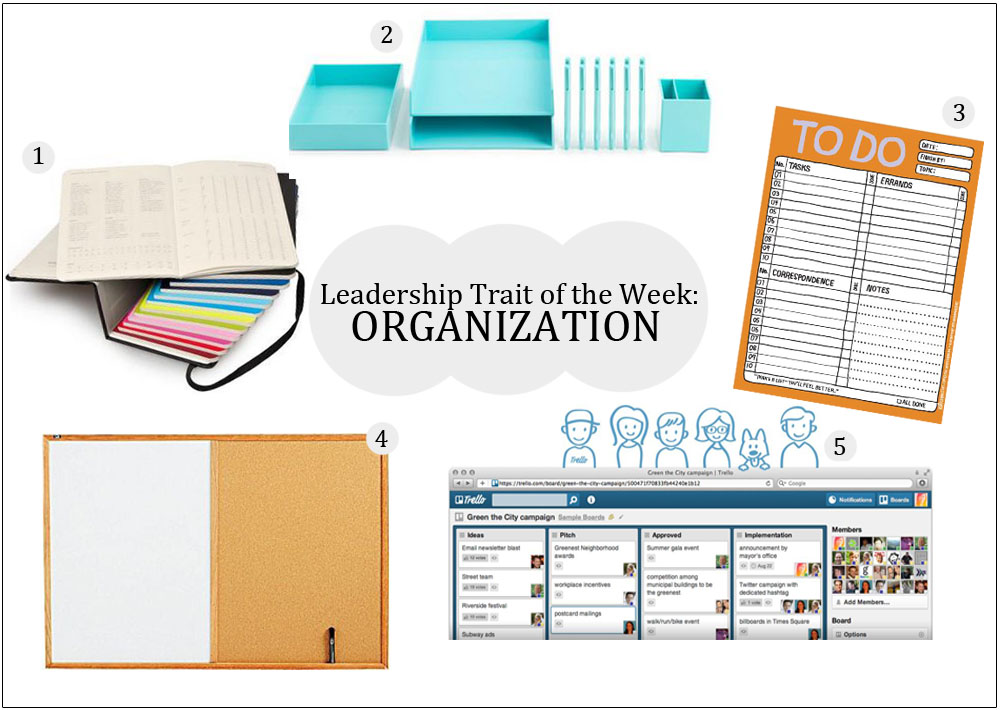
1. Maintain an organized schedule. When you have a jam-packed schedule, the last thing you want is to be running late, miss a meeting or an appointment, and not finish your tasks on time. Keep your ducks in a row by writing down everything, from new assignments to places you need to be.

2. Tidy your work space. Having a clean desk can sometimes be the simplest way to clear your mind. De-clutter your work space by tossing scraps of unused paper and using folders to divide up different documents and subjects. With room to work, you’ll feel as though you can accomplish anything.

3. Keep your priorities in check. When you have a lot of things to do, it feels overwhelming to figure out what needs to be finished first. Organize your priorities by numbering them, with #1 being the first task to get done. You might choose to do a little bit of a few things, or to just concentrate on finishing one task completely. Either way, have a way to manage your to-dos.

4. Write it down. Using a large whiteboard or cork-board can be beneficial for organizing your life because you can write notes and messages about things you want to remember. A small planner might not be big enough to grab your attention.

5. Divide and keep track of group tasks. If you are working on a group project or with a team, organization is a must. You can write down each person’s duties in a planner, but that might be too cluttered and confusing for you. We have found Trello to be an awesome resource for not only individual tasks, but also for team projects. Your team members can update one another on their progress, you can see what your teammates are working on, and you can move around the task cards into different columns to maintain an organized group system. The best part is that everything is all in one place, which makes managing a team or working with others very easy and organized.

How do you stay organized?