There are a lot of ways to travel. For those of us who are perpetually short on cash, our travel usually won’t consist of beach resorts, luxury cruises, and designer shopping sprees. We won’t ever sit in first class and chances are we’ll get used to bunking in a hostel’s shared room.
For me, that’s part of the beauty of it all. Backpacker hostels or locals’ couches, public transportation and street food make for authentic experiences. Tiny obstacles, like bumpy night buses and confusing street signs, create challenges; they make you a little more vulnerable and open you up to asking for help. The opportunities that come with travel on a budget are so much more fulfilling than the ones that come with all-inclusive, first-class vacays.
I’ve certainly traveled on a budget. As a semester exchange student in Singapore, I survived on my savings, traveling about every other weekend. I had a few close calls, and by the time I arrived back on U.S. soil at the end of it all, I had $34 to my name. There were a lot of mistakes and lessons learned, along with some budgeting successes.
I recently shared many tips on traveling on a super low budget; aka, almost no money. Those involved a lot of working abroad. These tips, though, are all about spending every ounce of your free time soaking in your journey, and doing it on a dime.
Some of these tips are conventional, others you won’t exactly find in travel magazines. In the end, here’s what I’ve learned:
1. First of all, travel must be your priority.
If you want to travel but don’t have the money, it’s because you’re spending yours on other things. Every job I’ve ever held has paid me hourly, sometimes below minimum wage. But, I saved all of my money because I knew I wanted to do something sweet with it. I didn’t buy clothes, get my nails done, go out to eat nightly… I saved.
Take a page from my book – buy some wardrobe staples that you love, preferably from a thrift or consignment shop, and don’t spend on clothes for the rest of the year. Invest in some nail polish and remover and never get your nails done (or do it like me and have cavewoman nails year round). Invest in things that keep you from spending money long-term. It works, my friends.
2. Make every flight count.
Enroll in frequent flyers and rewards programs with an airline. You can end up redeeming your miles or points for free flights.
3. Night buses and trains are your friends.
Only fly regionally if you absolutely have to, and when you do, use Skyscanner.com to find the best budget fares. Chances are, though, you’ll be able to ride a bus or train from location to location, and night transportation doubles as transportation and lodging: score.
4. Similarly, public transportation is key.
For the love of money, don’t take cabs. Find a subway or public transportation map and get out there. It can be intimidating to step on a bus or train for the first time in a new city, so a few minutes of preliminary research can help – know the fares, which lines to take and which stops you want. If you’re going to be somewhere for a week or more, investing in a multi-day or -week pass is your best bet.
5. Rent bikes.
Many cities offer bike and motorcycle rentals. Depending on the length of your stay, this can pay off. You will save on cabs, bus fares and other transportation costs, besides gas if you go the motorized route. Plus, you aren’t at the mercy of a tour group or driver, and can go wherever.
6. Take a granola bar.
Or five. Plus a refillable water bottle (a simple way to save, unless your destination’s water is unsafe for you to drink out of tap, then you’ll have to splurge on bottled water). Pack small snacks that can double as meals. I’m a foodie – I really am, but eating bars for breakfast has never ruined any of my trips, and it’s freed up a lot of cash. Speaking of…
7. Buy groceries and use the local food markets.
Because you should be staying in hostels or locals’ apartments (more on that in a second), which almost always have kitchen areas. If they don’t, buy no-cook items, such as bread and lunch meat. Foodies, you can get creative with local ingredients, too, because local food markets have great deals on ingredients and staples that often aren’t available fresh or authentic in the U.S.
8. Make friends.
Local friends or friends who have been in your location for an extended stay (a couple weeks or so) can often recommend or take you to the best cheap restaurants, connect you with their cousins who can get you drink deals (or some similar scenario), even give you a place to stay or cook.
9. Speaking of drink deals. Facebook groups.
Join them. Facebook groups, such as Hazel’s Guestlist in Singapore, provides incredible deals, discounts and even VIP access for its members. It’s free to join these, and there are usually no strings attached. They just want foreigners checking out their nightlife and attractions. Obviously use your best judgment; it’s pretty easy to tell if the group is a weird scam. And don’t post any of your personal information or whereabouts in these groups.
These groups are often promoted to exchange students because they’re easy to reach, so do a little stalking on Facebook. Find exchange student groups in your area; if they aren’t completely private, you may be able to see what discount websites and Facebook groups the students post between each other or that promoters post within the groups. Then, join them. Easy as pie, and it’s safe and allowed.
10. Stay in shared rooms in hostels.
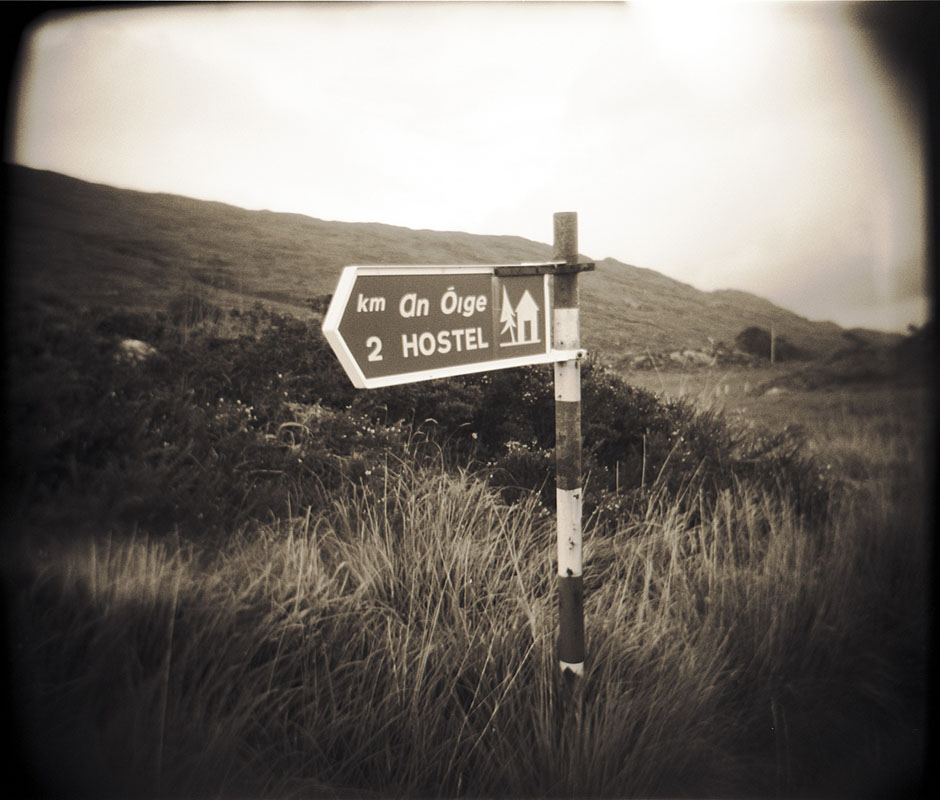
This requires you to get comfortable with a little less privacy. It isn’t as invasive as it sounds, though. Most hostels offer the option for same-gender rooms and you will almost always receive a locker to stow your belongings. These rooms are usually very cheap, and in many regions and countries, cheap doesn’t mean dingy or unsafe. In fact, in most of Southeast Asia, we found sparkly clean, well-managed, very safe hostels for a few dollars a night.
The amenities are generally basic; you may have to bring your own towel and Wi-Fi is often non-existent. This is budget travel, we can’t have everything, and usually at good hostels you get way more than you expect for the price. Besides, friendly people, clean running water and a cozy roof over the head for a couple bucks a night is a true gift. Ask around, use Trip Advisor, or invest in a travel guidebook to point out the best hostels in your area.
11. Better yet, couch surf.
Couch surfing is free. I mentioned it in my previous article, and it really is a fantastic resource. Many of my friends have done this and spoken highly of their experiences.
12. Utilize hostel resources.
A good hostel won’t scam you. Obviously do your math when the front desk guy offers you a tour package, but excursions are often offered at discounts at backpacker hostels. Befriend the front desk people, too, because they can very easily get you some sweet deals and discounts. Just let them know what you’re into and get to know them. It’s fun anyways, because people who work in hostels are usually pretty interesting and magical.
13. Student IDs.
If you are a student, or still look young and have your student ID (pretend I didn’t say that), use it. There are student discounts and freebies everywhere. Be aware, though, that American student IDs may not be recognized in all the countries you visit; still harmless and worth a try.
14. International Student Identity Card.
You can register for these online and they come with discounts on travel and excursions.
15. Groupon.
It can be hit or miss, but if you find something you really want to do on Groupon’s site, it’s fantastic. Most countries have their own Groupon site. As a hint, read the fine print. I recommend not using Groupons for travel deals, because travel agencies and other involved parties usually hide the massive extra fees. Other stuff is fair game.
16. Set a budget.
Know what you want to do, and plan a little beforehand. You don’t need to map out a detailed itinerary, but know generally how much transportation costs within and to/from the places you want to go, where you can find cheap lodging, etc. Allocate the amount you want to spend per day, or per activity, and stick to it.
Generally, travel’s main expenses come in the form of lodging, transportation and food. Hopefully the tips above help minimize those expenses while allowing you to have an incredible journey.
Bon voyage!
Image: Buck Lewis, Flickr