tiffanys
EducationHealthSkills

Here we are, slowly creeping into mid-December and that only means one thing: finals week. Sleep is probably the first or last thing on your mind right now. If sleep is not one of your priorities, hopefully by the end of this article it’ll move up a level or two in importance.

  1. The Facts

Today, about 75% of people experience some type of sleep issue a few times a week, and about 50-70 million Americans have a sleep or wakefulness disorder. With this fast-paced, money-making, work-obsessed, change-achieving culture, America is reaching for perfectionism, ignoring the personal stakes that may entail. Lack of sleep is causing unintentional accidents on the road, chronic diseases like hypertension, diabetes, depression, and obesity, as well as cancer, and a reduced level of productivity. When I asked a “4.0” or A+ friend what she thinks of sleep, she laughed and noted that most of the time, there’s simply not enough time for it. Is sleep really that underappreciated? Studies suggest that school aged children need about 10 hours of sleep; teens need 9-10 hours, while adults need 7-8 hours. In a survey, only 30% of adults reported getting over six hours of sleep while only 31% of teens reported getting at least eight hours of sleep.

  1. Memory Booster

Receiving the adequate amount of sleep actually helps you remember things after learning a new task. However, it seems as though students are actually skipping out on sleep in order to cram and essentially, remember more information. Next time you cram for your Bio exam, try studying all day, sleeping all night, and rising early the following morning to review - you may have much better results!

  1. Weight Gain

Oh no… college students, the freshman 15 was real. We all know firsthand that this is no myth. And here I am, as a sophomore, trying to shed those painful memories away with the help of my fabulous treadmill. Lack of sleep causes those numbers on the scale to increase. “Chronic sleep deprivation may cause weight gain by affecting the way our bodies process and store carbohydrates, and by altering levels of hormones that affect our appetite” says The Harvard Women’s Health Watch. It’s true! Think about it, how many times do you end up grabbing that bag of potato chips when writing that essay at 3:00 a.m., or how often you order delivery because there’s no time or your cravings are at an all-time high? Sleeping not only cuts off all chances of cravings, but it also promotes proper metabolism function.

  1. Morning Crankiness

Sleep deficiency causes irritability, impatience, inability to concentrate, and the ultimate case of moodiness. Notice that when you have slept plenty, you wake up happy, content, and almost excited to conquer your day. On the other hand, waking up to a firetruck alarm clock when it seems like you haven’t slept enough, makes you want to curl back into a ball sandwiched between those cozy sheets. In fact, this may leave you only doing the things you need to do as opposed to the things you need and want to do simply because you are just too tired to do them. Get the sleep you need and feel ready to seize your youth!

  1. Health Risks

There are many types of health risks associated with lack of sleep including cardiovascular problems like hypertension, increased stress hormone levels, and even an irregular heartbeat. In addition, skipping out on those hours can alter your body’s immune function which can, in turn, modify the body’s natural killer cells. This can call for a more vulnerable body making you more susceptible to infection and sickness. Enough sleep has also been linked with cancer prevention.

Living by that “YOLO” motto can definitely have its pros, but just remember that ignoring sleeping needs can put your psychological, emotional, and physical health at risk and maybe working on time management can help you receive the adequate amount of it. It is important that you put sleep on your list of daily priorities until you find it utterly “unthinkable” to miss out on it. “I’ll sleep when I’m dead,” you may think, but think again, my friends! Skipping out on sleep may just stop you from doing the things you love and need to do in life!

Image: Tandem Properties
EducationSkills

Finals are among us. For those in college, this means papers, projects, and a lot of cramming. For those in high school, this also means papers, projects, and a lot of cramming… There’s just so much to do! Homework, extra credit, paper outlines, group projects. Besides that, part time jobs, internships, after school activities. And before all of those, sleeping and eating! There’s a lot that seems to be happening right now, but there are some ways to deal with all the havoc that is December!

Prioritize.

Always do what you need to do first. Which one comes first: the big thesis paper or that extra credit project? Watering your plants or giving yourself a shower? Going to a club meeting or studying for an exam for that really tough teacher? Always do what is important, and don’t bother with the small stuff during this time crunch. The little things can be slipped in, but devoting large chunks of time to a 10 page paper is an efficient way of getting ideas out, onto a document, and out of the way. The little things you can do as mini breaks in between. Get up to stretch and do a 10 minute yoga pose for exercise, but do this between paragraph four and five of your essay. Moderate and prioritize.

Eat and sleep.

My university’s labs are open 24 hours during finals. In the early 3­-5am hours, students can be seen sleeping at their desk with the screen doing a five hour export. Other students can be seen with three empty cups of coffee next to their sewing machines with half finished shirts and dresses. But whether you’re in art school, business school, or high school, you need to get your sleep and your nutrients! You and a friend can do food­runs. Someone runs out to get dinner for both of you, then you trade and do the same for lunch. Do this for fabric material, photo paper, paint, ink, printer paper. One person can do that half-hour-run to Staples and the other person can do that half-hour run to the cafeteria. Roommates, workshop partners, lab buddies, you name it. It is the time to keep your body functioning during a time when there isn’t enough time.

Know your limits.

Alright. You didn’t sleep in the last 24 hours, and the night before, you only slept
three hours. Your hands are shaking from too much caffeine, and for some reason the words on the
screen are starting to move on their own. You have a dull headache that has turned into nauseousness and your neck is cramped. You haven’t seen daylight in two days. It’s time to stop. Yeah, that presentation is important and people are counting on you. Sure, that exam is 50% of your grade. But what’s the point if you’re going to pass out in front of your professor or wake up to the exam sheet stuck to your cheek? Sometimes enough is enough and there’s only so much you can do. That’s when you take a breather, take a walk, take a shower, take a break.

Dealing with everything is crazy. You and everyone around you are in high gear. Once
you figure out all you need to do, you’ll do them. Keep yourself going with enough sleep and
food. Sometimes, you have to just put everything down. Take it easy and good luck!

Image: TMAB2003

organization
Skills

When you are trying to juggle five different balls, staying on top of your projects takes skill. One of the best ways to keep those balls in the air is to be organized, both physically and mentally. That is, you want a physically organized space to work and live, and you want to have your duties organized mentally so you don’t forget a single thing. Being organized requires consistency and some effort, but once you have a system down, you may be able to add in a sixth ball.

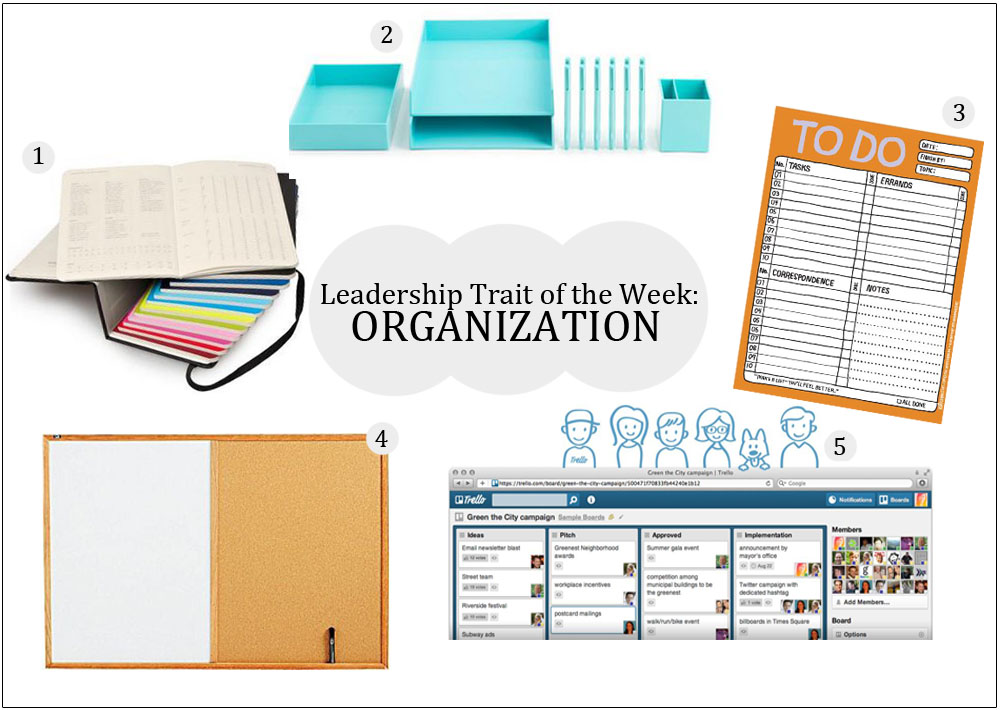
1. Maintain an organized schedule. When you have a jam-packed schedule, the last thing you want is to be running late, miss a meeting or an appointment, and not finish your tasks on time. Keep your ducks in a row by writing down everything, from new assignments to places you need to be.

2. Tidy your work space. Having a clean desk can sometimes be the simplest way to clear your mind. De-clutter your work space by tossing scraps of unused paper and using folders to divide up different documents and subjects. With room to work, you’ll feel as though you can accomplish anything.

3. Keep your priorities in check. When you have a lot of things to do, it feels overwhelming to figure out what needs to be finished first. Organize your priorities by numbering them, with #1 being the first task to get done. You might choose to do a little bit of a few things, or to just concentrate on finishing one task completely. Either way, have a way to manage your to-dos.

4. Write it down. Using a large whiteboard or cork-board can be beneficial for organizing your life because you can write notes and messages about things you want to remember. A small planner might not be big enough to grab your attention.

5. Divide and keep track of group tasks. If you are working on a group project or with a team, organization is a must. You can write down each person’s duties in a planner, but that might be too cluttered and confusing for you. We have found Trello to be an awesome resource for not only individual tasks, but also for team projects. Your team members can update one another on their progress, you can see what your teammates are working on, and you can move around the task cards into different columns to maintain an organized group system. The best part is that everything is all in one place, which makes managing a team or working with others very easy and organized.

How do you stay organized?