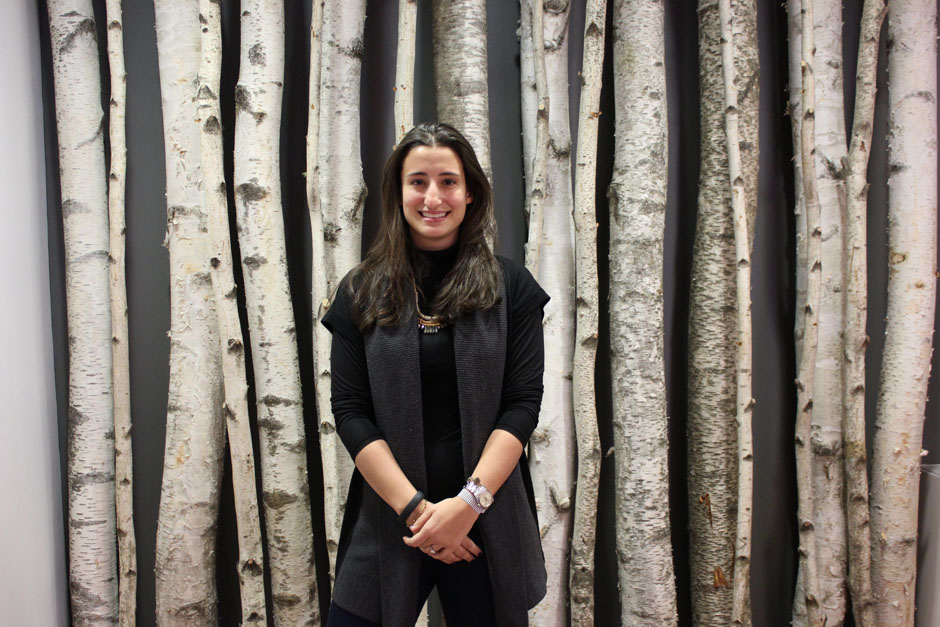
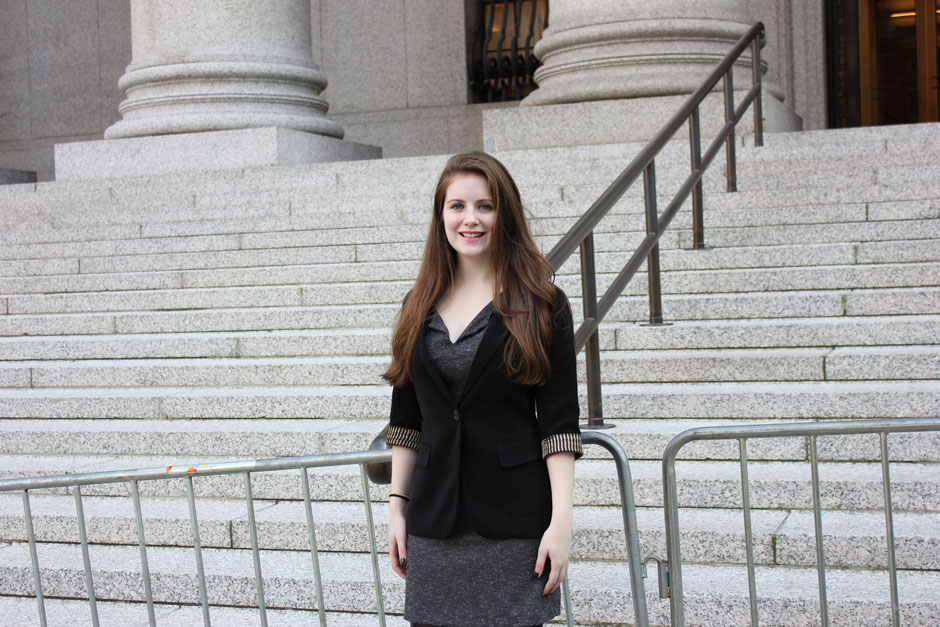
Kat Tanita 3
Professional SpotlightSpotlight

If you love fashion, beauty, décor, photography, or just amazing blogging in general, don’t miss Kat Tanita’s stunning blog, With Love From Kat. Kat styles beautiful outfits and has a keen eye for what’s trending in the fashion and beauty industries, and she shares her insight through photos and round-ups on her site. Not only is Kat a successful blogger with a polished chic style, but she is also savvy business owner who has learned a lot from her experiences. But now, let’s hear from the blogger herself…

Name: Kat Tanita
Age: 25
Education: B.A. in Design Studies from Arizona State University
Follow: Twitter / Facebook / Instagram / Pinterest / With Love From Kat

Carpe Juvenis: How do you define ‘Seizing Your Youth’?

Kat Tanita: Chasing your dreams and making them a reality.

CJ: What was your favorite class in college?

KT: I loved all of my design classes, but surprisingly my favorite class was Marketing senior year. It was neat to learn about the creative process and how important it is in an effective public relations and marketing campaign.

Kat Tanita 1

CJ: What are the greatest lessons you have learned from being a business owner and blogger?

KT: Ask questions, find mentors, have confidence but be humble, hire smart (get a good lawyer, accountant, intern, etc.) and learn from rejection.

CJ: What are your time management tips?

KT: Write everything down in a to-do list and take one thing at a time. Start the day and end the day with productive things, but give yourself a break in between. I always try to get out, take a walk and have a long lunch. It feels good to end the day with something productive – I can’t sleep if I don’t!

CJ: What does a day in your life look like?

KT: Every day is so different. Sometimes I’m at showroom appointments, press previews, meetings, and events. I’m always answering emails, exploring the city, looking for inspiration, shooting outfit pictures, and brainstorming for upcoming projects. I love to cook dinner and end the day with yoga, a run, or circuit training.

Kat Tanita 2

CJ: What advice do you have for youth who want to start their own blogs?

KT: Remember to be unique and original. Don’t try to copy others because what will set you a part is your individual voice and style. Do your research! I simply Googled “how to start a blog” 4 years ago and read so many articles/watched so many YouTube videos. Don’t be afraid to ask questions and find mentors. You should always be learning.

CJ: Which book has had a great impact on you?

KT: Grace was one of my favorite books this summer. I loved learning about her career path. She started from the bottom and worked her way up. She is incredibly talented.

CJ: What motivates you?

KT: My dad’s work ethic motivates me. He always said whatever you do, do it to the best of your ability even if it’s a small, menial task.

CJ: What advice would you give your 20-year-old self?

KT: Travel more, read more, and embrace your uniqueness!

Kat Tanita 6

Image: All photos by Kat Tanita from WithLoveFromKat.com

nyc skyline
EducationTravel

It’s August. The carefree summer is slowly, painfully, even bitterly on the distant horizon. No! There are a few more weeks! For a freshman entering college, there is the buzz of excitement and anticipation. For those of you who are coming to New York City for college, welcome! As celebration of your soon­to­be­arrival, here are some things you should consider before packing up and moving in.

Dorming in NYC is nothing like dorming in a university with a campus. Many schools in suburban towns have their own little communities, enclosed with lawns, parking lots, and even buses to get from one part of campus to another. NYC is not like that at all. If you’re going to school in Manhattan, chances are you’re going to be in, well, Manhattan. Your buildings are probably integrated into the city. Parsons and NYU, for example, have their buildings and resources blocks from each other, and students tend to walk or take the subway. Some schools are more closed off than others, but if you’re in NYC, why not use this chance to explore?

Exploring isn’t hard in NYC, but it takes practice. Actually, getting anywhere in NYC takes practice. The city is a grid for the most part, but some sections, such as the West Village or Chinatown, can get a bit muddled. Remember: short blocks are streets. Long blocks are avenues. Learn to read the MTA map. Use Google Maps but keep in mind that walking, not driving, is the go­to method, so learn to live without your car.

While travelling, dress properly. The weather in NYC can range from 75 degrees to 50 degrees in a week. Autumn is great because it’s a chance to layer clothes, but check for rain, wind, or hurricanes (you can’t miss the last one). Hurricanes do affect us, as with Hurricane Sandy, so keep that in mind.

Grocery shop in the middle of the day in the middle of the week. Weekends and after work hours are packed with people getting off from work. My out­of­state friends think Trader Joe’s is a good option, and there are always corner stores that you can run to if you need laundry detergent or instant noodles in a hurry. Those corner stores (or delis) are everywhere, so no matter where you dorm, they should be there. If you have a day where you don’t have classes and you want to stretch your legs a bit, go stock up on Nutella. You’ll appreciate it.

Remember, NYC is like no other city in the world. Always ask questions, keep an open mind, and be prepared for anything. Welcome and good luck!

Image: Unsplash

NYC Light
Travel

This is amazing! It’s your first summer in New York City. You’re here for pre­-college classes, checking out universities, taking summer courses, interning, working, or simply shopping, eating, and being a tourist. It’s the city that never sleeps, a place romanticized by movies and glorified by those who live here.

Well. Sort of. If you know anything about NYC, you know it has its rough patches. New Yorkers are known for their direct and fast paced attitudes, always rushing around stylishly but quickly. In the summer, the tempo of the city changes. Tourists flood in and some New Yorkers leave. But those who stay, like yours truly, are forced to weather through some of the not­-so-­pleasant things about being in NYC in the summer. These are a few things you should know before coming to New York City.

1. It is hot.

That explains everything. The grouchy taxi drivers. The simmering concrete. The wet sensation under your arms and the uncomfortable chill of the train if you’ve been sitting too long. NYC summers are hot. Commuting feels nasty. This year has been pretty tame, but usually the temperature hits triple digits. NYC summers are hit­-the­beach, break-­the-­fire­-hydrant, egg­-on-­the-­sidewalk hot. Advice: drink water, stay indoors or have indoor trips until 3pm­ish, and pack lightly. Mornings around 7-­9am and evenings around 6-­8pm are commuter hours and you don’t want to be stuck next to the sweaty businessman and a woman with her crying baby. I recommend that you do your summer intensives or other courses during a more relaxed time in case you have to lug supplies or textbooks around. If you insist on going outside, keep the heat in mind.

2. Watch out for mosquitoes.

Yes. Mosquitoes. Did you think that being in a city full of skyscrapers and asphalt would save you from those little monsters? You’re sadly mistaken. I sit here telling you to beware of the mosquitoes, but I have five bites on my legs just from walking to the grocery store. What’s so unique about NYC mosquitoes? They’re intense. My friend from the West coast says that they are nastier biters here than where she’s from, so be warned!

Even as a seasoned New Yorker, I haven’t overcome this itchy nightmare. It does not matter who you are or where you’re going. If you breathe and if you have blood, you’re going to be mosquito food. You can either simply accept that you’ll get bitten (as I have) or you can avoid going outside, especially at night. The crazy thing is they seem to be everywhere, even indoors and in the middle of the day. They cling to people’s clothing, and with all the moving around, it’s no wonder they are everywhere. There are bug sprays and lotions you can use to keep mosquitoes away, but there really isn’t an escape. Best of luck.

3. Avoid moving­-in nightmares.

If you’re a college student looking to live outside the dorms for the semester, you better find an apartment, and fast! Students who are coming back for fall are going to start moving, or moving back, and you want to make sure you find somewhere to stay during this rush. Start looking for places now and if you’re lucky, you’ll find something you like within your budget.

New York is a great place to spend the summer if you know your way around. Even if you don’t, you’ll get the hang of where you are and what trains to take quickly. There are a lot of things to do and see, and as long as you’re aware of how to take care of yourself, you will be just fine. Remember to stay hydrated and to take it easy. Enjoy the city, and make it a summer to remember!

Image: Unsplash

books
CultureEducation

Happy summer! Now that the school year is over for several months, it’s time to kick back and read the books you’ve had to put off for essays and exams. Whether you’re on an airplane, on the beach, or in a cozy chair next to the window, pick up one of these summer reads and enjoy! P.S. Did you have a chance to read any books off of the spring reading list?

1. My Salinger Year by Joanna Rakoff

We can’t get enough of memoirs, and this one looks juicy and captivating. Rakoff recalls her experiences in New York City working for J.D. Salinger. We bet this story will be captivating from the first page to the last.

2. The Interestings by Meg Wolitzer

We’ve seen this book around for a while but have yet to read it. This story about six teenagers at a summer camp for the arts and how they grow into middle age looks like a great slice-of-life novel. We’re excited to see how these six friendships change as life progresses, especially through the complexities of each character.

3. The Boys in the Boat by Daniel James Brown

Talk about an inspiring read. The Boys in the Boat tells the story of nine Americans and their quest for Gold at the 1936 Berlin Olympics. We love stories about beating the odds, hard work, perseverance, and true grit.

4. How Not to Be Wrong: The Power of Mathematical Thinking by Jordan Ellenberg

It doesn’t matter if you love math or hate math. How Not to Be Wrong shows us how math is intertwined with everything we do with a fascinating perspective. With chapters like “What to Expect When You’re Expecting to Win the Lottery” and “Dead Fish Don’t Read Minds,” color us intrigued. Math may not have been our strongest subject in high school, but we have a feeling we might start to like it now.

5. We Were Liars by E. Lockhart

We Were Liars is the story about a wealthy family who meets on their private island every summer. A book appropriate for summer, this book has suspense, true love, and a gripping plot. Sounds good to us!

We’d love to know, what are you reading this summer?

Caroline Lindy
Professional SpotlightSpotlight

Whether it is a role in the theater, on a television show, or in movies, Caroline Lindy will seriously impress you with her talent. A graduate of Kenyon college with a focus on Drama, Caroline not only has incredible acting skills, but she adds depth to her work with her study of dramatic literature. With diverse experiences on the sets of an operetta, Law & Order: SVU, Liberal Arts, and most recently a music video, Caroline is learning a lot and excelling in her career. Despite her success, Caroline also experiences self-doubt every now and then, but her positive outlook keeps her motivated. Continue reading to learn what advice Caroline has for youth interested in acting, what she has learned from being a working actress, and how she determined what to study in college.

Name: Caroline Lindy
Age: 24
Education: B.A. from Kenyon College
Follow: IMDb

How do you define ‘seizing your youth’?

I define “seizing your youth” as taking full advantage of these years where anything is possible and nothing is off limits. It’s about being open to everything and everybody. When you’re young, it’s your job to never stop learning, growing and figuring out what you want and need from life. It’s a time to take risks, fail, and as corny as it sounds, reach for the stars!

What did you major in at Kenyon College and how did you determine what to study?

Kenyon College has great Drama and English programs, and I was originally interested in studying English. Ultimately, I realized I was more interested in the process of analyzing and physicalizing works of dramatic literature rather than exploring works of fiction and non-fiction. I continued to take English courses but chose to focus on Drama more intensively, and it became my major.

What or who inspired you to become an actress?

I grew up in New York City, and I was lucky enough to have parents who took me to plays and musicals and made me watch Hollywood classic films. I danced next to the television set while watching Singing in the Rain and recited Shakespeare along with Franco Zeffirelli’s Romeo and Juliet. I loved everything about the theater and the screen from a very young age. That exposure is what probably inspired me to pursue a career in the field.

Did you always know that you wanted to act professionally?

Yes, but I didn’t want to admit it to myself for a long time. I was too embarrassed to really audition for any plays until my senior year in high school. Entertaining people is scary territory, and it took me awhile to develop the confidence to be able to sometimes fail and embarrass myself in front of an audience.

What was your first professional acting role, and how did you go about securing it?

My first professional acting role was when I was in the sixth grade. I took an after-school musical class where we sang show tunes, and I performed with great gusto. The teacher knew the director of the Bronx Opera Company, and I landed my first role in their production of “Boccaccio”, an operetta. I played one of the village children and sang in the chorus, and I was totally delighted. It was the most exciting thing that could have happened to sixth grade Caroline Lindy.

You were in an episode of Law & Order: SVU. What was that experience like and what was your biggest take away?

The experience was very exciting! SVU films in NYC, but I got the email about an audition just as my plane landed back in Los Angeles after a visit to NYC. I quickly filmed my audition and sent it to the NY casting office. I got the part, and had to turn right around and fly back east. Filming only took a day, but was a total blast. Everyone was warm, welcoming and professional! I felt very lucky to have been given a role.

You are in the new Dizzy Bats music video, GIRLS. What was it like shooting a music video, and how is the process different than filming for a movie or television show?

Most music videos require actors to focus primarily on expressions and gestures as opposed to text and dialogue. I actually find shooting a music video to sometimes be harder than shooting a scene for screen, because you are provided with less information about your character and have to be comfortable just being yourself with a camera right on your face.

What was your favorite scene to shoot in the GIRLS music video? What was the hardest scene?

I really enjoyed the scene that we shot on the Ferris wheel. The views of Los Angeles and the Malibu mountains off in the distance were truly breathtaking! The hardest scenes were the driving scenes. Connor [Frost] was driving and I kept on distracting him, almost causing us to get into minor accidents. Luckily we made it out alive. Don’t film and drive!

Caroline Lindy

What is one of the greatest lessons you have learned from being a working actress?

Stay a student. Never stop learning from people who have been in the industry for longer than you. Don’t be afraid of rejection – it’s inherently part of the profession, so learn to accept it and move on. Once you stop being afraid of hearing the word “NO,” then you can start having more fun at auditions, and start showing casting directors and other industry folks your true artistry.

What advice do you have for youth who want to be professional actors/actresses?

Being a professional actress demands that you throw yourself into an incredibly competitive group of people with giant egos and enormous amounts of talent. However, it is also an industry that embraces the individual. The most important piece of advice I think I could give a young actress would be to just be you. When you’re just starting out, bring yourself into every audition, because there might be a million girls who look and sound similar to you, but there’s no one who is exactly you. So show that to the world! If this casting director doesn’t love you, the next one will! As long as you’re enjoying the process of building a career, don’t give up.

What does a day in your life look like?

When you’re an actress you have to be ready to embrace an unpredictable schedule. I get auditions notices throughout the week and therefore have to keep my schedule fairly open and flexible. I usually try to start off my day with physical and vocal warm ups, followed by auditions, classes or rehearsals (if I’m in a show). I’m also constantly taking on freelance work to supplement my income.

How do you overcome self-doubt or stage fright?

There are times when I feel terrified or feel like a failure, and I say things to myself like, “maybe I should go to Medical School.” However, I remind myself that my favorite feeling in the world is being on stage and feeling the energy of an audience. I love acting because I love entertaining people, I love telling stories and I love being around other people who like to create those stories with me. It’s my favorite thing to do, and it keeps me motivated and inspired.

What motivates you?

My parents, other family members and friends. Without their support, I wouldn’t be able to pursue this career.

What advice would you give your 15-year-old self?

Dare to be different! As long as you are a considerate, thoughtful and good person, who cares what people think of you? Be yourself and have fun. Life is too short to live any other way.

c
Professional SpotlightSpotlight

Ever since I found out about Birchbox, a monthly subscription beauty sample box, I have been hooked. When I had the opportunity to interview one of the co-founders, Hayley Barna, I jumped at it. Hayley Barna and her business partner, Katia Beauchamp, are inspiring women who have taken the beauty industry by storm. Ambitious, down-to-Earth, and capable, Hayley is not only a lot of fun to talk to, but she is also generous with her advice and knowledge. After years of consulting and working in the corporate world, Hayley made the leap and started her own company (Birchbox), which continues to see amazing success. Read on to learn about how Hayley got to where she is today, her thoughts about business school, and the advice she has for her 20-year-0ld self. You’re going to love and admire her as much as we do!

Name: Hayley Barna
Age: 30
Education: B.A. in Economics from Harvard University; MBA in Business Administration from Harvard Business School
Follow: Hayley’s Twitter / Birchbox

Carpe Juvenis: How do you define ‘Seizing Your Youth’?

Hayley Barna: I don’t know if I think about it as my youth or just seizing every day and making the most of every hour, every week, every year. Starting Birchbox, for example, there was a lot we didn’t know that actually helped us have the ambition to think “we can do this!” I think a lot of that was about being young and not being jaded.

CJ: You attended Harvard University and majored in Economics. How did you determine what to study?

HB: I went to Harvard thinking I was going to be a science major or an engineer. I did science research in high school and I was very into it. I took computer science and economics my first semester of college. I thought the classes were so cool and I loved it, but computer science was not very applied and it didn’t have a lot to do with people. Economics was the mix between left brain and right brain. I took microeconomics first, which was about people, decisions, and real world practicality. I fell in love with economics and stuck with that. I also started taking psychology classes. It was the behavioral aspect of economics that I really focused on.

CJ: How did you make the decision to go to Harvard Business School and what were your biggest takeaways?

HB: I applied to business school three years after graduating college. One of the reasons I wanted to go to business school was, first of all, everyone I had ever met who went to business school loved it. I heard 100% positive ratings. I also realized that I had a lot more to learn. I love learning, so I was excited about the possibility of going back to school.

I really liked being a consultant, but I did go into business school expecting to change careers because I wanted to get closer to the customer. Being a consultant, you work for people who are working for people. You put together PowerPoint documents but you don’t really get to see the results. I was hoping to make the leap away from professional services and more towards direct impact. I thought that consumer internet or consumer businesses would be a good place for me to land.

CJ: What advice would you give to someone who is considering going to business school?

HB: Business school is amazing. It’s also very expensive and it is two years of your life. If you already know what you want to do and have a clear path towards getting there, then maybe business school isn’t right for you. If you need to learn more about yourself and explore or want to go into a field where an MBA is a requirement, then business school is amazing. Do it.

CJ: What skills did you have that were useful in starting Birchbox, and what do you wish you had known before taking the leap?

HB: I ask a lot of questions and I want to know why. I don’t accept the status quo and that was a big part of Katia and me coming up with the idea for Birchbox and believing that there was a better way to buy beauty online. That was a muscle that I had exercised.

My early career was as a strategy consultant at Bain & Company. In that job I learned a good mix of analytical skill sets, such as structuring a problem and knowing when it was important to have data behind things. I also learned the soft skills that come with business, such as being able to ask the right questions and package an idea to have it be accepted and get people on board with something.

CJ: What advice do you have for teenagers and young adults interested in starting their own business?

HB: Start having business conversations. If there is a business that you are interested in, such as sports, talk to someone in your life who is a business person about the business of sports. How do you make money? What are the costs? Get used to having your brain work like that. It’s most fun to learn about running a business when you’re thinking about a topic that you’re passionate about.

Work exposure is also a very important first step for a young person. Try a lot of things. I interned at so many different places and a lot of my experience was to cross off that experience as an option. I interned at a hedge fund and realized that finance was not for me. Thank goodness I figured that out early.

CJ: How do you balance running the New York and Europe offices?

HB: It’s really different. When we went from having one office to multiple offices, it was a really big change. Part of it was just getting comfortable that we wouldn’t be able to see and know about everything that was happening. We try to travel there as much as possible, usually about every six weeks. We have three offices in Europe so we try to go to two countries at a time with every trip. We also stay in touch through email and regular phone calls. It’s so different but really fun.

1

CJ: How do you keep yourself motivated? What drives you forward?

HB: This is really simple but I am motivated by ideas and impact, and in particular, making people happy. The product of Birchbox is very simple when you think about it – samples in a box that arrives monthly, editorial content, and a place to shop.

The most motivating thing about my job is when I hear customers talk about what they feel when they get a Birchbox and how it makes them smile or connect with their family or friends who live across the country. That is extremely motivating. Getting your Birchbox is a real world experience that creates connections even though we’re an internet company and sell products online.

CJ: Is there anything you did as a young adult that greatly influenced you?

HB: I was a science geek in high school and doing independent science research was a helpful skill. It gave me the confidence to know that I could not only ask questions but I could also test things and find answers and iterate on it. It gave me confidence that I could be 17-years-old and contribute to science.

My family was also an influence. My family has a family business and I was exposed to those types of conversations at the dinner table my whole life. Those business conversations get soaked in somehow.

CJ: What does a day in your life look like?

HB: Every day is different. We started Birchbox three and a half years ago, and my job has fundamentally changed at least six times along the way. I get up early and try to work out before work because you never know what is going to happen later in the day. I try to do 7am workout classes and get to work by 8:30am. We have offices in Europe, so I often have phone calls with our Europe teams earlier in the morning.

Throughout the day a lot of my job is management. I check in with my direct reports to make sure everything is flowing well. I have very little sit-at-my-desk time. As co-founders, Katia and I set the strategy and make sure that the strategy is being communicated. I’ll work on monthly recaps of the business or agendas for off-sites and what is going to happen next.

CJ: How do you set personal and professional goals?

HB: I don’t have a very formal goal-setting process. I just have a lot of self-motivation. For the business we set all kinds of goals. They should be made on many different timeframes. Here we have monthly goals, quarterly goals, and annual goals. It’s also important to set five year goals.

If I had time to do that for my life, I would do it the same way. I would think about where I want to be in five years and move backwards from there. That would be fun because there’s no right answer.

CJ: What advice would you give your 20-year-old self?

HB: I give this advice to every age of my past self. Don’t take things too seriously. Don’t worry too much about your next step. Don’t think that your next step is going to dictate the rest of your life. A lot of people when they are 20-years-old think that the job they get after college is going to be their career for the next 60 years. It’s not. Don’t overthink it. Just make sure that it is something you enjoy and that you’ll learn from and go from there.

Erik 1
SpotlightYouth Spotlight

You’ve already met the manager and lead singer of Dizzy Bats, Connor Frost. Now it’s time to meet the drummer, Eric Segerstrom. While being Dizzy Bats’s drummer, Eric also attends Juilliard in New York City. Eric realized his passion for music at an early age and has pursued it relentlessly. Dizzy Bats has some exciting things happening in the next couple of months, including the music video release of their most recent single, Girls, which premieres today (check it out HERE)! Until then, let’s get to know some more about Eric…

When did you join Dizzy Bats?
I joined Dizzy Bats in the fall of 2012, in September or October.

How do you contribute to the songwriting or music composition process?
Usually Connor will bring in songs that he’s written and I’ll come up with beats that I think would fit well. Then we go back and forth changing small things in both the song and the drum part until it’s somewhere where all of us like it.

What has been your favorite tour moment?
Although I’ve only been on one tour with DB, my favorite moment might’ve been when one of our shows got cancelled and we spent the whole day playing Star Wars monopoly, hah.

When did you realize you wanted to do music professionally?
Sometime in high school when I noticed that that’s really all I enjoyed doing/was good at doing.

Erik

What is your favorite Dizzy Bats song to play live?
Connor just wrote a song that’s super pop-punky and really loud and fast. I think we’re playing it on our next show, and its just a minute and a half of D-beat fun.

What is your pre-show ritual?
Hm, I don’t really think I have a “ritual.” I guess I try to stretch and tune all the drums before every show, so maybe that counts as a ritual?

How do you combat stage fright?
There’s this class I’ve had to take at college called Ear Training, and every week you have to get up infront of the class and do some form of recitation, which is anything from singing atonal melodies to performing insane rhythmic exercises. Having to do this every week for every year at school has kind of numbed me to performing in front of people. If I can mess up singing an interval in front of a class and get past it, I think I can mess up anything in front of a crowd and get past it.

How many hours a day do you practice?
No where near enough.

Any tips for learning how to play an instrument?
Lessons can be great, but if you don’t click with your teacher, they can actually be detrimental. You do you and if you really want to, find someone who will help you do exactly what you want to do.

How has your experience at Juilliard influenced your work with Dizzy Bats?
Not very much. I’m at school for music composition, so all of my drumming stuff is just on the side.

Erik 2

Girls

c
SpotlightYouth Spotlight

Rachel Geisler is awesome. It’s as simple as that. We first met Rachel during an internship in New York City, and since that summer, she has been doing incredible things. For instance, she played Anna in the Spring Awakening National Tour. Pretty cool, right? She also spent a semester in London traveling and studying. When Rachel isn’t auditioning, she is honing her acting and singing skills and working part-time. We are beyond inspired by Rachel’s self-motivation and determination, and we can’t wait to see her again on-stage and on-screen! Read on for insight into her pre-show rituals, what she does when she forgets a line during a live performance, and a sneak peek into what life was like on the Spring Awakening National Tour.

Name: Rachel Geisler
Age: 22
Education: Bachelor of Fine Arts at New York University
Follow: Twitter

How do you define ‘seizing your youth’?

Seizing your youth means taking every opportunity that you might have in your youth that you won’t have when you’re older. Things like taking a job or an internship that doesn’t necessarily meet your desired trajectory just take that experience and to enjoy it. A lot of my friends still get a lot of financial help from their parents, so that frees you up to take a restaurant job and to audition, which is super helpful and something pretty specific to being at this age.

What did you major in at New York University and how did you determine what to study?

I majored in Musical Theater. I grew up in New York City so I was always exposed to theater. My parents took me to shows and to the ballet when I was younger, and that definitely had a huge impact on me. I always loved the arts. I didn’t know that I wanted to perform for a long time. I wasn’t that person. Some of my friends had that moment or the show that they saw that made them want to perform forever, but I think it was a gradual appreciation for me and once I started taking voice lessons, it became more serious for me.

I found a summer camp, Stagedoor Manor, that I went to from when I was 12 to when I was 18. It was a performing arts theater camp and I was inspired by the teachers and performers to pursue theater. When I started at NYU, Musical Theater seemed like the obvious choice for me.

Did you study abroad? What was your big takeaway from studying abroad and do you think it was worth it?

I spent a semester in London. I think that everybody should study abroad at some point. It was an unbelievable experience, not just for theater but for the academics. I decided not to take any theater classes when I was there, but I saw a lot of shows. It gave me a great perspective and refreshed my appreciation for theater, which I needed at the time. Just being able to travel and being in Europe and having access to cheaper flights was great and I got to see a lot of new countries.

What or who inspired you to become a professional actress?

I started at NYU, which can be a very overwhelming place. It’s a big school and there are a lot of things to study. After my freshman year I wasn’t 100% sure if I wanted to stick with theater. And then I got the Spring Awakening National Tour and when I ended up doing that, there was no going back. That experience solidified theater for me.

I interned at Seventeen Magazine the summer before thinking that I was really interested in publishing and the fashion world. I had never really made up my mind as to which direction I wanted to go in, and then after the National Tour, I knew that theater was what I wanted to do.

c

You played Anna in the Spring Awakening National Tour. Tell us about that experience.

It was the best year of my life thus far. It was so much fun. I was a huge, huge fan of Spring Awakening when it was on Broadway. I saw it about eight or nine times. I was that theater geek who saw it every weekend I could.

I loved being on the Spring Awakening National Tour, I got to see the rest of the country. My family had traveled but we never really traveled within the United States. My mom is from Japan so we were always in Asia or elsewhere, but seeing the United States was a really fun experience. Especially getting to do that with 20 other people around your age and who also love the same thing that you love, it was a really wonderful experience and I grew up a lot on that Tour.

How do you prepare for a National Tour?

You have to be in the best shape you can possibly be in, vocally and making sure you’re taking care of yourself. You’re going from bus to plane to theater, and all of the traveling does take a huge toll on your body. Just going in with an open mind and being open to the new experiences. Take care of yourself but also remember to have fun and take advantage of what I was doing.

How do you stay motivated on-stage night after night of performing?

That’s a tough one. We did 137 performances of Spring Awakening. A lot of tours do upwards of about 600 shows. For Spring Awakening, the whole cast is pretty much on-stage for the entire show. We’re sitting on the side and watching the action happening. It’s easier to stay engaged when you’re on-stage and supporting your fellow actors. You don’t ever want to be that person who is zoning out.

Getting tired does happen and you can get jet-lagged. We were in Colorado and got altitude sickness. There were points in the show where I would make sure to embrace what was happening. Even if I was exhausted and wanted to be done with the performance and go to bed, I would remember that I was on the National Tour of Spring Awakening. I would remind myself that I wanted this for so long and that I needed to enjoy it. That would always bring me back when I got tired.

What is one of the greatest lessons you have learned from being a working actress?

One of the best things that I’ve learned is to be a good person. There are a lot of talented people. You think sometimes that there are some roles that only one person could play. But there were so many girls that could have played Anna in Spring Awakening, so I think the thing that sets you apart is to be a good person.

You have to be the kind of person that the director or casting director would want to spend 12 hours a day in rehearsal with. If you set yourself up with success by being nice and professional and being open and kind, that will set you apart from the millions of other people trying to act and land roles. Some of them might have an attitude problem or take the opportunities for granted and be a diva about it. I got really lucky with Spring Awakening because everybody was young and didn’t have much of an ego, but that’s not necessarily the case with other circumstances. Keep reminding yourself that you want to be the person that other people want to work with.

How do you overcome self-doubt or stage fright?

If you’re not scared there’s something wrong. It’s just a matter of learning how to channel the self-doubt and stage fright. I always get nervous. I’m always scared. I love performing but I’m not the best with public speaking. It’s just different ways of approaching different performances or exhibition.

With theater, it’s just doing the most work you could possibly do so you can do the best show no matter what. If something goes wrong, you should know the character and the story. If someone drops a line, you’ll know how to pick it up and keep the story moving. That is completely necessary in theater. People forget lines all the time. We did 137 shows and if you lose focus for one second, a line can leave you so you have to trust that the rest of the people you’re working with can handle the situation.

Have you ever forgotten a line and what are you thinking in that moment?

All the time! I didn’t have that many lines in Spring Awakening. There was one show where there was a horrible smell on-stage and I kind of choked a little bit, so everyone on stage with me thought I forgot my line because I couldn’t get my words out. It was horrible. But then someone was on it with the next line and you bring yourself back to it. If you’re in character and you know what your character wants to say, it might not be the exact line but something along those lines. Then you’ll get a note from your Stage Manager telling you that what you said wasn’t the actual line, and you’re like, yes, I know. I forgot. The next time you’ll get it right.

Do you have any pre-show rituals to get into character?

Some people go crazy with their pre-show rituals. I am really into music so if it’s a first night of a show, I try to figure out the right playlist that gets me in the state-of-mind. For Spring Awakening, that was more pump-up music because that show was a lot of energy. For other things it could be mellower. I love to listen to music.

I also try to go around to everyone who I’m in the show with and just say “hey.” When you’re on tour, you get to the theater and everyone goes to their dressing rooms and you don’t see each other until you’re on-stage. I just love to touch base and catch up really quickly and say “hi.”

What advice do you have for youth who want to be professional actors/actresses?

Do it. There are so many people who will tell you so many different things about how hard it is, and it’s true, it’s not easy. There are definitely waves of success and sometimes you think you’re perfect for something and it doesn’t work out – maybe you’re too tall or you don’t fit into the costume of the previous person who played the role.

I’m a huge believer that you have to be a smart person to be a smart actor. I think education is insanely important and not just training. Training in the craft of acting is hugely important, but I think that learning the history of what you’re doing and keeping yourself informed on current events and being well-read just makes you a better actor. If you have things that are not related to theater or drama, that’s great because most of the time you’re playing real people and it helps to have those experiences.

That’s one of the reasons why I chose NYU – they have a huge emphasis on the academic side of theater and making sure you’re a well-rounded person as well as a well-rounded actor.

What does a day in your life look like?

It’s so different. I live with two people who have pretty standard schedules and mine is all over the place. If I have an audition, which hopefully I do, I like to go to the gym to wake my body up and do yoga. Sit in the steam room for a little bit. After an audition, I call my mom and talk to her for a little bit. I work at a restaurant so I’m there three or four times a week. That’s part of my day. Because I went to school in New York, I still have use of the facilities so if I have time, I’ll practice monologues and sing to help me feel connected with my craft. When you’re waitressing and auditioning constantly, you start to feel like you’re this product and you have to reconnect with your craft and what you worked really hard to do. I try to do that as often as possible.

What activities were you involved in throughout high school? Were there any experiences that were most memorable or life changing?

I loved high school. I did a little bit of everything in high school. I played basketball, did yearbook, and student government. I went to a really small private school in New York so everybody was involved in everything, which was great. I went to a school with somewhat of an art scene and they definitely appreciated the arts a lot.

One of my teachers, Margie Duffield, was a huge influence on me. I always loved singing and dancing and she was the one who pushed me to do more acting, and she introduced me to a lot of the techniques that I use now and when I was in school. That was a really big thing for me and having that influence who made me realize that I was enough and I could do more than musical theater.

What has your experience been like going to college in New York City?

I loved it. Clearly, I never left! It can be hard because sometimes the city is very overwhelming. My brother is now at the University of Maryland and I hear all these fun stories about what they do on-campus and all these things that are so foreign to me. One of the things about being in New York is that I was very involved with the theater community. After I came back from Spring Awakening, I was able to continue auditioning and working and do readings and workshops. Things that people not in the city don’t necessarily get to do.

I’m also a huge family person and my family lives here and at the time my younger brother was here, so it was important for me to be in New York. I thought NYU was the best fit for me so it all worked out. If I hadn’t been in New York, I wouldn’t have been able to audition for Spring Awakening, and I wouldn’t have had that experience. Everything happens for a reason.

What motivates you in your everyday life?

If you want to pursue theater, you have to keep yourself motivated. You won’t have someone everyday telling you “Great job!” Unless you’re doing a show you don’t really get that reinforcement. You have to take every little victory that you can get. If you’re standing in a studio and you hit a note better than you felt like you have a week ago, take that victory. That’s a step towards what you want to be doing.

I’ll go take a dance class and motivate myself to do what I want to be doing. When you’re not in school, there’s no one telling you that you have to go to this dance class or read this play. I try to read as many plays as I can. One of my friends is actually doing something that I admire – she’s reading a new play every day. Before she goes to bed, she reads a new play.

Who is your role model?

My mom. It’s so cliché it almost pains me to say it. She studied art in college and didn’t necessarily end up pursuing it for the rest of her life, but she has such an appreciation for it and is so supportive of me. She’s one of those people whose words just make sense to me. She’ll just tell me what I was thinking – who knows you better than your mom?

There are definitely people whose careers I admire, but I don’t know them on a personal level so I can’t really call them a role model.

What advice would you give your 15-year-old self?

Calm down. Being in high school in general, especially with theater, it seems like so much focus on doing an exact thing a certain way to get into college. It just seems like that is your goal – to get into college. I don’t know anybody who didn’t figure it out for themselves. They might not have gone to the college they wanted to go to, or maybe they spent a semester somewhere and worked really hard and transferred, but it’s not the end all be all. People change their majors and idea of what they want to do all the time.

In high school, you’re thinking you have to get into a specific school for a certain program. I would tell myself to calm down and that everything will work itself out. Enjoy high school because it’s such a weird time where you’re old enough to start having fun but you’re still living with your parents and getting all the benefits of that. Enjoy it and don’t think too far ahead of yourself.

What’s next for you?

Hopefully a show! I went back to school after Spring Awakening and I put all of my focus on that because graduating was really important to me. I graduated this past May and worked a little bit this summer on a few projects. My friends have started writing plays and directing and choreographing, so I’ve had the opportunity to be a part of their work. You don’t get paid or anything, but collaborating is so fun.

IMG_1778
Culture

When the lights went down on stage and the guitars started to hum behind the darkness, Carpe Juvenis could tell something special was about to happen. The jittery, high-strung excitement in the back room of Brooklyn’s Trash Bar was magnified by the cheers from fans and bright, random flashes of light from cell phone cameras.

As the lights went up, lead singer Connor Frost belted out the opening line of “Where Are the Children” from the debut 2012 album Sundial, and the crowd went wild. They seemed to be absorbing every note and beat of the drum, bopping and swaying to the jam. Tonight would be all about the music.

Dizzy Bats are unique because their punk-rock vocals and high-energy tempos are still relatable, enjoyable, and accessible to a listener who is unfamiliar with the intricacies and style of the genre. Take the track “These Kids I Teach,” for example, with its raw lyrics and straightforward attitude; the song has a vibe of its own that invites new listeners in and keeps the old fans wanting more.

IMG_1800

Following closely on the heels of his solo-West-coast tour, Frost shares with Carpe that he feels “more excitement around Dizzy Bats’ music in general” and that his latest tour “was unbelievably rewarding.” His gratitude and enthusiasm were both felt at the Girls 7” Release Party as the band opened up for the wildly popular Chicago-based funk/soul/rhythm group whysowhite.

Carpe dug around for some behind-the-show information and found out that each set list is fine tuned to take the audience on a ride. There is a certain “ebb and flow” Frost creates to hype the listeners up, mellow them out a bit, and then “amp the crowd back up” as he finished with a popular tune that everyone has been waiting for. That last song at this show was “Appendectomy” from the 2013 album release with the same name.

Something special is happening with Dizzy Bats - with a brand new album coming out this year and a quality sound making its way across the country, this band is not one to miss out on. Check them out at Bandcamp and iTunes.

Make sure to “Like” Dizzy Bats on Facebook to keep up-to-date on everything Dizzy Bats related!

c
Professional SpotlightSpotlight

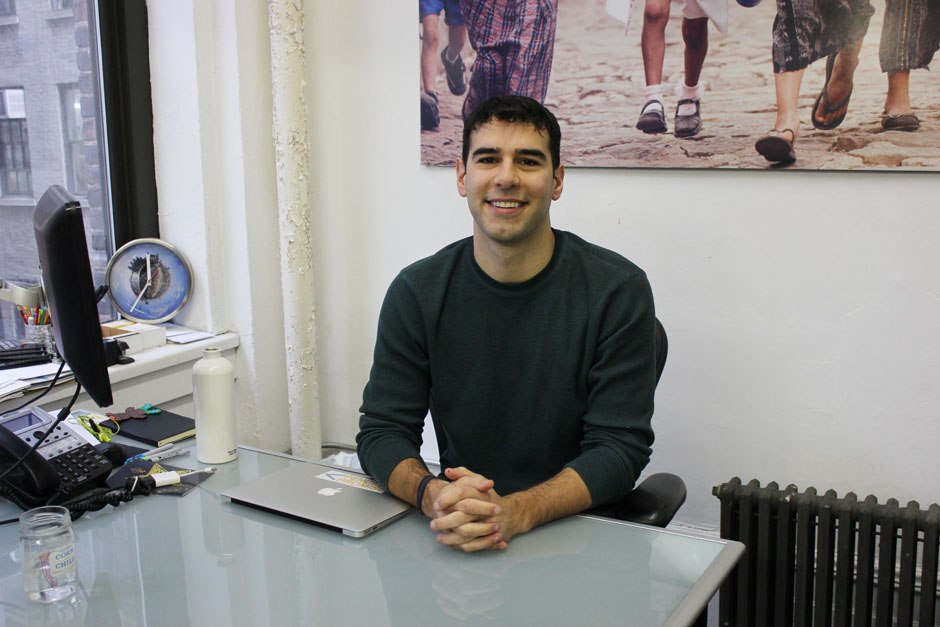
We can say with complete confidence that Adam Braun is one of the most inspiring people you will ever meet. He is passionate about his work, speaks with enthusiasm about his travels and the lessons he has learned, and his hunger for making the world a better place is contagious. Adam worked at a consulting company after graduating from Brown University, but he soon realized his passions lay elsewhere. During a trip abroad, Adam asked a young boy in India what he wanted most in the world. His answer: “A pencil.” As Adam continued to travel, he handed out more pens and pencils and realized the power of a school supply that most people wouldn’t typically think twice about. Pencils of Promise was born in 2008, and as of this writing, 170 schools have been built in countries such as Laos, Ghana, and Guatemala.

In his years of experience starting, building, and growing Pencils of Promise, Adam managed to find time to write a book about the lessons he has learned along the way. All of the book’s proceeds will go towards helping build schools and to support Pencils of Promise. We had the incredible pleasure of speaking with Adam about his career and personal experiences, how he got to where he is today, and to speak more about his upcoming book, The Promise of a Pencil: How an Ordinary Person Can Create Extraordinary Change, which will be released on March 18.

Name: Adam Braun
Age: 30
Education: Bachelor of Arts (B.A.) in Economics, Sociology, and Public & Private Sector Organizations from Brown University
Follow: Pencils of Promise / PoP Twitter / Adam Braun’s Twitter / Personal Website / Order The Promise of a Pencil

Carpe Juvenis: How do you define ‘Seizing Your Youth’?

Adam Braun: I define seizing your youth as living each day as if you only have one shot at an experience that can come out of that unique moment. The most powerful element of youth is that young people don’t know yet what’s impossible, and through that they’re willing to try things that others will claim can’t be done. Seizing your youth is trying out things that speak to your inner voice and absolute truths and pursuing them with the honesty and integrity that you believe they deserve.

CJ: You attended Brown University and majored in Economics, Sociology, and Public & Private Sector Organizations. Why did you choose to study these topics?

AB: I went to college thinking that I was going to major in Economics because I wanted to work on Wall Street, and Psychology because I took it in high school and I’ve always been drawn to the way that people make decisions and in particular, how you can influence groups and how you can ultimately catalyze movements.

What I realized in my first semester when I took psychology was that it was incredibly biology-based. I wasn’t as interested in the biology aspect but instead was interested in the humanity element, which turned out to be Sociology. That resulted in me majoring in Economics and Sociology.

I didn’t want to write a 100-page thesis so I figured that if I could do a triple major then I wouldn’t need to write a thesis paper as well. The third major, Public and Private Sector Organizations, was actually about entrepreneurship and how you build a business. I took courses on leadership and organizational management, knowing that I wanted to one day run my own organization. The three of them seemed like a great fit.

b

CJ: You left your job at Bain & Company to start Pencils of Promise (PoP) when you were 25-years-old. What skills did you have that were useful in starting Pencils of Promise, and what do you wish you had known before taking the leap?

AB: Though my time at Bain, I developed a set of hard skills that I think are really important early on. That included building financial models, creating impressive and persuasive presentations, and understanding how organizational turnover and retention happens. In my childhood I spent a lot of time doing entrepreneurial things and lot of entrepreneurs fall into this trap of believing that they are the only one who can accomplish something, especially the higher level responsibilities, so you take it all on yourself.

From my time at Bain & Company, I learned that it’s more important to train the people below you and invest in the next person so that they can ideally do your job just as well, if not better, than you can. That allows you to take on higher level responsibilities. I never would have taken that approach if I hadn’t witnessed and experienced it firsthand from my time at Bain. More than anything, Bain gave me a foundation upon which I felt comfortable to build a business.

What I wish I had known was that there is no such thing as the ‘big single win.’ I think early on I had this inherent belief that all the little wins were suddenly going to give me one opportunity and that one opportunity was going to springboard us to a place where we were huge. In reality, there’s no such thing as a ‘big single win’ that changes absolutely everything. It really is a series of 10,000 small, medium, and large wins that create organizational longevity.

CJ: Your book, The Promise of a Pencil: How an Ordinary Person Can Create Extraordinary Change, comes out in March 2014. The book is your memoir of your experience leaving your finance job to start Pencils of Promise. What is one of the greatest lessons you’ve learned from starting PoP?

AB: The book was written in a style that should enable any reader to not only get inspired by the story itself, but to take his or her own extraordinary journey as well. I really wanted to write something that was a how-to, but framed around this idea that storytelling provides a hook for people because we all want to read, write, and tell great stories.

Each chapter is titled with a mantra, and there are 30 mantras in total. Those mantras collectively create the blueprint for any person to go from ordinary to extraordinary. One of the mantras that I would describe as my greatest learning lesson is called ‘Vulnerability is Vital’. It’s about the one thing that scared me most, asking people for money, which I did not do for the first three and a half years in the organization. When I admitted openly to the people that had the most confidence in me, who are oftentimes the scariest people to show your weakness to, which in my case was my Board of Directors, it was incredible to see how they invested in and rallied around me.

When I finally faced that fear head-on, the results weren’t as bad as I had feared all along. What I learned coming out of it is that the scariest or the hardest part of your day is the thing you should do first. I find that if I have 25 emails in my inbox, I probably do the 10 easiest ones, the 10 medium ones, and I leave the five hardest ones and justify that I’ll do it another time.

In acknowledging how important your vulnerability is, what I realized is that I should start each day with the hardest things and make sure I get it done. I don’t let myself leave the office until I’ve taken care of that challenging element. Ultimately, that one challenging thing is more important for your long-term success than the 10 easy things you did first.

CJ: What was the book writing process like?

AB: It was actually really fun. I wrote the entire manuscript while traveling in the course of three months. I worked with a co-writer, who was wonderful. She had written five books before and she was really more of a writing partner than anything else, helping me craft the stories and lessons I wanted to share. She would take a first cut at some and I would take a first cut at others, but ultimately every single word in the book is mine. It was really enjoyable to reflect on how this path happened and distill it down to the 30 most important lessons that I could share with others.

book

CJ: You wrote a blog post for when you turned 30 about setting ambitious goals, chasing them, and then moving the finish line off into the distance. How often do you set goals for yourself?

AB: There are small goals and big goals. I have small goals every single day, and whether I’m consciously admitting or not, I have a goal every day. For the bigger goals, the older you get the longer the horizons you look at. I used to set goals that were in that week or month, and they would be pretty big goals. Now most of my goals are really framed around a year or three years. I try not to set goals any longer than three years because the world is going to change so much in that time that whatever goal I set will become obsolete. Most of my goals are within the next year.

CJ: What advice do you have for teenagers and young adults interested in starting a non-profit organization?

AB: The first thing I would say is that the role of Founder has been mythologized and celebrated in our culture a bit too much. It’s really important to understand that you can have just as big of an impact if you aren’t the founder but you find a great organization that you believe in and work for and are able to channel your energies and efforts into that organization. I didn’t start Pencils of Promise until I was turning 25, but I had been working with non-profits since I was a teenager.

It’s really important to learn from a mentor that you completely and wholeheartedly believe in to see how an organization is built. Building a non-profit is such an uphill battle and you are going to hear ‘no’ more than you hear ‘yes,’ and you have to believe that what you are doing is right.

One, I would advise to work for someone or an organization that you really believe in and two, in the process of doing that, figure out what your greatest sense of purpose or passion is, the thing that makes you most come alive. Thirdly, start with small goals and have really ambitious goals in the distance.

ab speaking

CJ: What is the best moment of your career so far?

AB: The best moment in my career was when I sat my grandmother down and I showed her the photos of our very first school, which was dedicated to her and she didn’t know. When I showed her the kids and the structure and the photo of the school sign, she saw her name on it. That was the best and most emotional moment of my career. It’s one of the reasons why I believe so much in Pencils of Promise because I know now what it does for children in the developing world, but also the capacity that it has to unite families here, as well. If I could enable that same experience for every single grandchild or child, then I think we will be able to unite a lot of families and educate a lot of children.

CJ: What does a day in your life look like?

AB: I spend about half of my day meeting with individuals, partners, foundations, and brands that are interested in Pencils of Promise. I try to further the mission, so I spend at least half of my time external in terms of the meetings. About a quarter of my day is spent with our staff, going through everything from our long- and short-term planning to working on the branding elements of the website, and then the last quarter of my day I try to spend working on things that happen in the moment. I’ll see a link online that will give me an idea and I’ll share it with somebody internally or externally. I always try and keep a quarter of my day free, though it doesn’t happen all that often.

CJ: What advice would you give your 20-year-old self?

AB: The advice I would give my 20-year-old self is that as much as you feel both lost and found at the same time, keep pushing as hard as you are pushing in both directions. I love the quote: “Not all who wander are lost.” I started traveling when I was 21 and I spent a lot of time from age 21 to 26 traveling.

A lot of that period was spent in a state of exploration without knowing exactly why I was doing something or where I was going to be. There’s a bit of fear that comes from not knowing what comes next, but there is also a lot of beauty and freedom and creativity that comes out of that. I would say keep pushing as hard as you’re pushing both in the directions of lost and found.

Adam Braun Questions

Connor in front of Organs
Spotlight

When Carpe Juvenis turned a snow-covered corner of Brooklyn, New York, this past week, we had no idea what kind of surprise we were in for. We had been invited to a Dizzy Bats studio session for a special inside look at how their music is made. We entered Cowboy Technical Services Recording Studio and rode up to the sixth floor to see the space where songs are tracked and produced.

Lead singer and guitarist Connor Frost walked us through the events of the day – he and Kyle Joseph, guitarist, engineer, and producer – were finalizing one of the songs on their upcoming second full-length album (LP). Connor describes their newest music as an inclusive “cohesive unit” of sound that binds together many of his own personal narratives.

The studio itself felt cozy and intimate, exuding excited anticipation and bubbling with high expectations for the experience that their newest LP will take its audience on. In conjunction with ongoing 7” digital releases, Connor will be embarking on an upcoming West Coast tour that will provide audiences with a way to experience the music up-close and first-hand.

Carpe is thrilled to announce that we will be providing you with the exclusive scoop into the process, build-up, and release of the next Dizzy Bats record. Stay tuned for regular posts documenting Dizzy Bats’ road to LP!

The first stop is New York City, where Dizzy Bats will be hosting their 7”release party show at Trash Bar on March 28th w/ whysowhite, Fin-Folsom, and MORI.

For upcoming tour dates, check out the Dizzy Bats Facebook page.

Band photo by Michael Aquino

Professional SpotlightSpotlight

Deepa Subramaniam, the Director of Product at charity:water, is always looking for ways to push herself both personally and professionally. When Deepa is not building awesome products with impact at charity:water, she makes time to meditate, do yoga, attend tech meetups, and set daily goals for herself. After taking a computer science class at U.C. Berkeley, Deepa discovered her natural passion and made a career out of it by working at Adobe and moving up the ranks. However, despite growing up, going to school, and working in California, Deepa recognized that it was time for a change and moved to New York City for an entirely new adventure in the non-profit world. Determined to continually challenge herself and live a full life, Deepa is incredibly inspiring and is living proof that you can wear many hats, be hardworking, stay involved in the community, remain curious, and in an effort to grow as a person, leave your comfort zone and embrace the unexpected.

Name: Deepa Subramaniam
Age: 31
Education: Bachelor of Applied Science in Computer Science from U.C. Berkeley
Follow: Twitter / charity:water

Carpe Juvenis: How do you define ‘Seizing Your Youth’?

Deepa Subramaniam: I think youth is subjective. I have met people who are the most youthful, joyous 60-year-olds and I have met 18-year-olds who feel as hardened and put upon by life as older people. Youth is what is in your heart, not your age – it’s how you feel.

I think it’s so weird when people are embarrassed about their age, it’s just a number. There are people who look 20 and are actually 40. I think age-based shame is a bad thing in our culture, and something we all should help nix. I remember being super excited about turning 30. I was really proud of what I had accomplished by 30 and I am excited about the next 30 years.

Seizing your youth is taking advantage of every single day that you have available to you. Make the most out of the time that you have. Just do and create and put things out in the world. Don’t worry about whether it is finished or polished and what other people are going to think. Live a fulfilling life and take advantage of your youth. I look back on times when I wasn’t learning or doing or creating, and that is a real bummer.

CJ: You majored in Computer Science at U.C. Berkeley. How did you determine what to study?

DS: I started school undeclared though a lot of people thought I would be a lawyer. I was good at science and math, but I wasn’t sure if that was what I wanted to do with my entire life. When I went to school, I realized that science was where my natural skill and interests lay. I had no idea about computer science at all. My sister studied computer science and she kept telling me to take a CS class. I shunned that for whatever reason – sometimes being told what to do by a family member is the best way to not do something.

So I started off studying physics. And I found astronomy really interesting. I finally gave in to my sister’s advice and took an introductory computer science class. It was so fun that it didn’t even feel like school! There was a lot of problem-solving and my brain was able to solve these programming puzzles without it feeling like a lot of effort. I guess that’s natural passion, and it was the first time I ever experienced that. This was late in my second year, but I decided to switch majors because I felt like that was the right thing to do. It took me four and a half years to graduate.

CJ: What made you interested in studying engineering?

DS: I like the problem-solving aspect of it. I was interested in how to make things better, how things work, and analyzing the natural friction point in systems. Computer programming was really fun and it didn’t seem like hard work so that was the best engineering pursuit for me. I thought that it would be amazing if I could make a life out of it. I read something recently about Jerry Seinfeld where he said he chose comedy because it seemed like the farthest thing from work for him. Problem solving through programming or technology is like that for me.

CJ: What does it mean to be an engineer?

DS: Engineering is so broad, there are so many different applications of it. I think engineering and being an engineer is about making systems better, whether the system is an airplane, a building, or a software program. Taking the time to understand and propose the right changes to make to a system – that’s engineering.

CJ: You recently moved to New York City from San Francisco to be the Director of Product at charity:water. What has your experiencing moving to the East Coast been like?

DS: I was born and raised in California, went to school there and I worked there for a very long time. I’ve basically always been at minimum, an hour away from family, friends, and parents. Moving to the East Coast was an intentional decision in order to challenge myself to see if I could thrive away from them. It’s a weird thing to admit in your thirties, but that’s just the case. I wanted a personal challenge and I wanted to try being in a new city with a new job in a new domain. I thought I was getting too soft and too comfortable in San Francisco so I wanted to change it up and rely on my inner hustle.

Also, New York is so inspiring right now for anyone interested in design, technology, or creativity. I think what’s happening in New York at this time is what the people a generation before me experienced in Silicon Valley. The energy around New York’s tech & creative communities is addictive and truly energizing.

CJ: What does your job as Director of Product at charity:water entail?

DS: Product is such a broad term. I work closely with our amazing creative and engineering teams to build out products so that it is the best experience for our supporters. As Director of Product, I help road map and improve products in our portfolio so we can raise more money and help provide more people with clean and safe drinking water. With the right products, we can connect money easier to the field so that we are building and sustaining more water projects for longer and ultimately giving more clean water to more people.

Right now I focus on what we can do online, such as our donation flow, our fundraising platform, and the educational components of our website. By having people learn and understand the water crisis, we want to inspire them to act, whether that’s through giving money, fundraising, or just spreading the word about the water crisis.

As a product manager, I analyze data to figure out where our customers are successful and where they are not and how our products should grow. My job synthesizes different aspects of the business from engineering to creative to data analysis.

CJ: You used to work at Adobe. What skills did you bring from Adobe to charity:water?

DS: I was at Adobe for a long time. I was a lead engineer and then switched over to technical product management. I definitely think people should work multiple jobs and work a variety of jobs in their lifetime. Going from a large, corporate company to a small, non-profit has been really interesting. At Adobe, I learned about working in large teams, how to clearly define what the goals and key initiatives are, how to report back to people, and how to ask for what you need to be successful in ways that are going to be met with action.

The people I worked with at Adobe are a very mature group, so I grew up in a business environment but also had a lot of fun. I learned about quality software development, mixing quantitative and qualitative skills, and how to use data to improve products. Because of my time at Adobe, I came to charity:water with a solid foundation and confidence so that was definitely a good transition.

CJ: What do you love most about working at charity:water?

DS: It’s so meaningful day in and day out. The people I work with and the work that we’re doing is incredibly inspiring. There are so many creative, smart young people who could be working elsewhere but chose every day to work at charity: water. We are all here working on something that will hopefully outlast all of us. That passion and commitment is rare, and to see that among a group of 50 people is fascinating.

CJ: What does a day in your life look like?

DS: I’m up pretty early. I like to stretch and try to do a little meditation, 8-10 minutes per day. It helps me find balance and composure in a busy day. I come into work and then the busy day begins. I meet with my team, discuss on-going projects and get a sense of what is most important to accomplish that day. This is a habit I have formed, where I jot down 5 things I want to accomplish that day – both personally and professionally – and anything beyond that is cake. I power through things based on that list and work tends to fly by.

I tend to do many more things with my day in New York than in San Francisco. I’ll go to a design or tech talk, meet friends for dinner, or go to yoga, and then try to get home at a decent time so I can get more sleep. As I’ve gotten older, I have become more dogmatic about self-care. When I was younger, exercise, eating well, and quality alone time was not as high on my list.

To achieve long-term goals, you need the discipline of being able to achieve wins in much smaller increments. So I rely on daily rituals and weekly rituals to keep me focused. If you’re consistent about accomplishing those rituals and are defending them from change or competing priorities, that cadence and discipline will translate to hitting year-long goals. Be critical about what goes on your daily list of things to accomplish. If something isn’t a “hell yeah” I want to do this, then it doesn’t go on the list. I am more careful about the time and energy that I put into something and that means I am ultimately happier with the outcome of my days.

CJ: What is the best moment of your career so far?

DS: So many, I feel blessed. I have just worked with so many great people. One of the things I am most proud of is when my co-workers and I had an idea about a new tool and we pitched the idea to Adobe executives. I convinced them that there was a real need and opportunity and that I was the right person to run it from an engineering and technical perspective. I built a team of engineers and then most of our managers forgot about us till we debuted the tool at our annual user conference. We sneaked the tool and it was met with such excitement and ended up having a great release. That is where I learned that with a little space, a team, and a high dose of passion, we could take something from idea to execution quickly.

That tool, by the way, is called Adobe Scout.

CJ: What advice would you give teenagers or young adults who are interested in being engineers?

DS: There are so many ways to learn about design and technology. You can buy a book, take a class, or just jump in and start playing. The barrier to entry is a lot lower.

Even if you have a tiny bit of interest in programming or design - just try and learn it. A quick Google search will help you find those resources or a local meet up to learn with other people in a social environment. If that hunger comes from within instead of having to create it, then you’re on the path to working on something with passion.

CJ: Did you face any adversities in the workplace or school for being a woman in a predominantly male profession?

DS: There have been situations where something has happened which made me feel weird. Things that I shrugged off in my twenties are things that I would challenge now. For the most part, though, I have been surrounded by amazing people, both male and female. I always intentionally sought out great people to be around, both in school and work. Here’s one bit of advice: don’t wait for someone to ask you if you need a mentor. Go up to people you admire and ask to them to mentor you – you’ll be surprised how often people say yes.

CJ: You are a South Indian Classical dancer. How long have you been involved with dancing and how has it impacted your life?

DS: I still dance and have started choreographing a bit more. I have been dancing since I was six-years-old. Having a creative and artistic outlet has been incredibly important for me. Dance is so great, it teaches you composure, it’s physically great exercise, and it is a great mixture of expression and movement. There are so many amazing dance communities in New York - I love it. I would not be the person I am today without having a creative outlet that I love, which for me was dance. It is a great way to play when you’re not working on your other passions.

CJ: What motivates you in your everyday life?

DS: I don’t like to do the same thing, I like to do a bunch of different things, such as write a book, do a dance show, ship a great product, etc. Learning new things is how I define growing, and growing is what motivates me. I want to squeeze as much as I can out of every day!

CJ: What advice would you give your 20-year-old self?

DS: I would tell myself that it’s okay to break some rules and not do the things that you think you are expected to do. Do things that you think are expected of you only if they are in alignment with who you are and what your core values are. So I guess I would tell myself to rock the boat a bit more.

Another bit of advice is that you don’t learn nor do you get better without making mistakes. I still make mistakes every day, and that’s a good sign. In the moment it might feel uncomfortable, but I look back on it and realize that those moments translated to real growth. Force yourself to make mistakes when you’re younger because the bandwidth to recover is so much higher.

candace ga
Professional SpotlightSpotlight

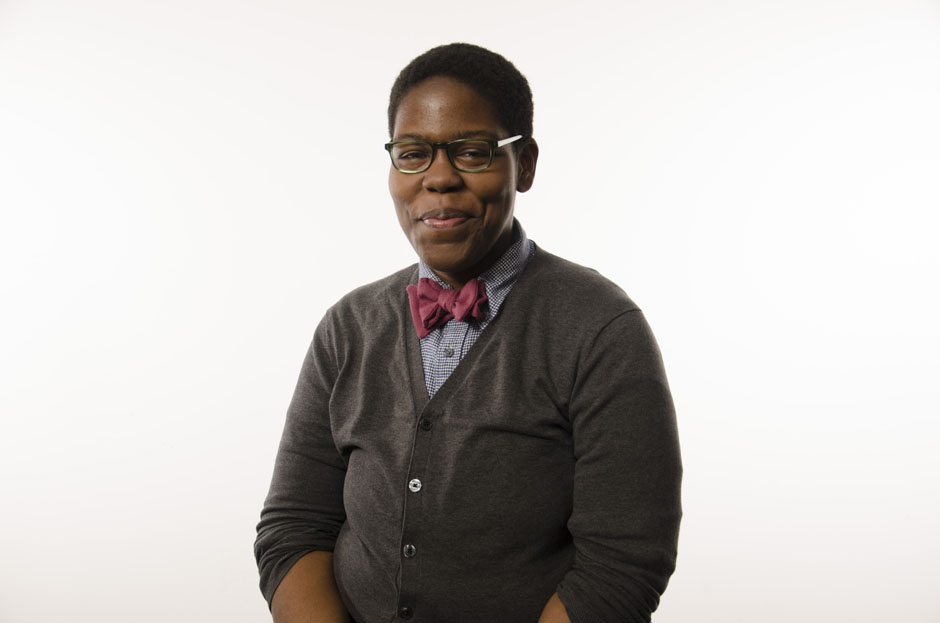
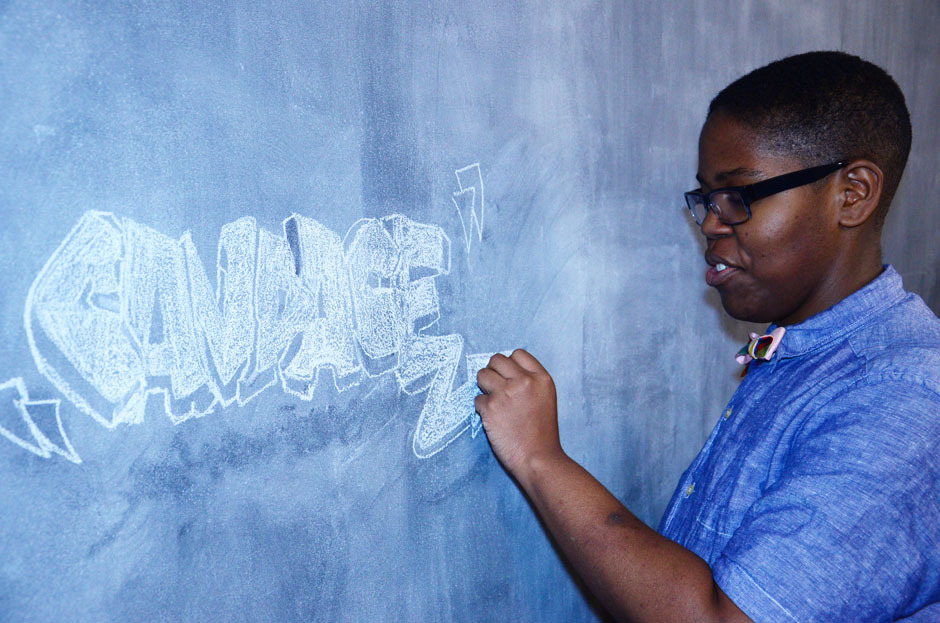
As Online Content Lead at General Assembly, Candace Williams has a lot of responsibility. She keeps the content moving along, interacts with all of her teams, and has long days that vary in tasks. After spending time earning her Masters in teaching from Stanford and then becoming a teacher, Candace knows quite a bit about education. Paired with her love for technology, Candace is a perfect fit as an Online Content Lead. Candace advises to not stay on one path, to take advantage of opportunities, and to hustle hard. We are inspired by Candace’s work ethic and her passion for both teaching and learning.

Name: Candace Williams
Age: 27
Education: Bachelor of Arts from Claremont McKenna College, Master of Arts/Teaching Credential from Stanford University
Follow: Twitter / General Assembly

How do you define ‘seizing your youth’?

Seizing your youth means trying new things and hustling hard on something. Even if it doesn’t work out, try new things and learn about yourself. Be willing to push the envelope.

What did you major in at Claremont McKenna College (CMC) and how did you determine what to study?

I applied to Claremont McKenna College for the Philosophy, Politics, and Economics (PPE) program. I loved the tutorials, and the amount of writing that we did upped my writing skills. PPE was one of the main reasons why I applied to CMC.

Did you study abroad? What was your big takeaway from studying abroad and do you think it was worth it?

I didn’t study abroad, but I worked abroad a lot.

Where did you intern and how did you go about securing those internships?

I have interned at a lot of places. My first internship was during the school year at Claremont McKenna College. I did tutoring and was a lab tech and resident tech assistant. During the summer, I worked for my Congressman at his campaign office in my state. I got that internship through CMC’s career services. I looked through the postings, applied, and they gave me a stipend and class credit.

The second summer, I was a teacher at a juvenile detention facility, and CMC gave me another stipend and a fellowship. I wrote papers and got some class credit. After that, CMC gave me a grant to work in India for human rights work.

I graduated the following summer and went straight into my teaching program.

candace1

What were you doing before General Assembly?

I was in social media, so basically I was paid to be on Facebook and Twitter all day. Before that I was an elementary school teacher and I taught K-5 science in the south Bronx. Before that I went to grad school while teaching at the same time. I have a Masters in teaching.

You are an Online Content Lead for General Assembly. What does being an Online Content Lead mean?

It means that I am an instructional designer. I make sure that what we put out online really helps people learn. I also help source instructors and I am like the glue that holds our teams together. There are a lot of teams that put our content together. There are video teams, the design team, marketing efforts, and I am the person who keeps the content moving along.

What does a day in your life look like?

It really depends. What I really love about this job is that it is so flexible. Yesterday I was in Washington D.C. I got up at 5:30am, went to Penn Station, and took the three hour train to D.C. I met with people there, filmed at the New America Foundation, hopped back on the train, and got home around 8pm.

The day before that I was at work filming something until 9pm. During the day I have a lot of meetings and we talk about the redesign of the website. Sometimes I come in early, sometimes I come in late. It really just depends.

What should a teenager or young adult who wants to be an online content lead/producer do to set themselves up for success?

The number one thing is to hustle hard and work hard and to seek out different opportunities. I wouldn’t get trapped in one path. It may seem like everyone is doing the same thing, such as finance or going to the same college, but I would actually look for things to do that are different and that are off the beaten path so you can learn about yourself. People will take notice.

I never imagined that I would be an online content lead, but it really fits my experience because I’m passionate about tech and teaching. When you’re passionate about something, those jobs and opportunities will open up, but you have to show that you are passionate. You have to find the right opportunities.

If you were hiring an intern, what are the top 3 traits that you would look for?

1. Working hard. That doesn’t even mean staying at work until it is late, it just means doing a task and doing it well.

2. Collaboration. I want people who work well with others.

3. Being a fun, nice person to work with. At work you should be able to enjoy spending time with people.

You’ve been out of school for five years. How did you transition from college life to “the real world?”

I think school life is real. If you’re creating the right life for yourself at college, it should be hard and it should mean staying up late and working. I feel like the things that I did at school were not that different than what I do now. At school, I was waking up early and going to work and working on a lot of different projects. I had a lot of deadlines and worked with many people. Be flexible and realize that you’re going to be terrible at a lot of things.

You went to the Stanford University School of Education. Where does your interest in education come from?

I’ve always been into education, even in elementary school and middle school. I always tutored kids and had an interest in education. I’m very passionate about it.

How did you decide where to go to grad school?

I care about education so I took some classes at Claremont Graduate University (CGU) and it was going really well. When Stanford came to campus, I was on my way to England for a debate tournament. I had my big suitcase but I was the only one who showed up to meet them. I met the head of admissions and she was excited to meet me. They had to sell me on the program, like why would I go to a program that was more expensive?

It came down between Stanford and CGU, which are both great programs. For me, I realized that their ideology was the same about teaching so I decided that it was time to try something new and get out of Claremont.

What activities were you involved in throughout high school and college? Were there any experiences that were most memorable or life changing?

A lot. I was president of the tech association, editor of the paper, I played the bassoon, and I volunteered a lot. In college, I was involved in debate and tech. With debate, I started teaching kids who were new to debate. I started debate my first day of college.

What motivates you in your everyday life – at the office and/or during your personal time?

I like feeling like I’m making stuff that matters. I like to have fun and I like to be with friends and family. I like feeling like I’m connected to people.

Who is your role model?

My mom, of course. She’s awesome. She works very hard, she’s smart, and she works very well with kids.

What advice would you give your 20-year-old self?

Nothing. I made mistakes, but you just have to do it.

CultureEducation

When we come across programs that make us excited about learning, we can’t wait to share and tell people all about it. One program in particular that we adore is General Assembly, a global educational institution that empowers individuals to learn topics such as technology, design, and business. You can take classes, workshops, courses, or immersive programs that last 8-12 weeks. The opportunities are seriously endless.

Last week, I took a class about eCommerce at General Assembly, and just in that hour and a half, I felt like I had a good grip on the basics. The class sizes are small, the instructors are accessible after class or by email for additional questions, and classrooms are clean and spacious. Oh, and there’s free Wifi!

I can’t wait to take more classes at General Assembly. I learned a lot from my first class, and if you plan on taking a course at General Assembly or another program, here’s what you should know!

1. Don’t forget your ticket. If you register for a class online, you will receive an online, printable ticket. Print this out right away and remember to bring it with you to class. This will make checking-in much smoother.

2. Bring a notebook or a laptop. You will be taking a lot of notes. Don’t rely on just your mind to remember everything the instructor says.

3. Do initial research. Even if you are taking a class because you do not know the first thing about the topic, it never hurts to do some initial research before the course. This way, in case the teacher uses terms and doesn’t go over them in class, you will have an idea of what he or she is talking about. Having done some initial reading also allows you to focus on the details that is being presented rather than trying to catch up with the basics.

4. Come prepared with questions. The instructor may encourage questions throughout the class or after he or she has finished the lesson. Either way, have a couple of questions prepared so you get the most out of your course. Remember, there are no stupid questions!

5. Arrive 15 minutes early. You don’t want to be the person stumbling into the class five minutes late and scrambling to find a seat. Plan on arriving 15 minutes early so you can find a good seat, set up your laptop and get out your pens, and review your questions.

6. Sit near the front. Sitting near the front of the class will help you see the presentation slides better, as well as give you a better chance of having your questions answered. You don’t want to be peering over people’s heads just to see what the slide says. Arriving 15 minutes early will help guarantee you the best seat in the house.

7. Introduce yourself. If you are sitting next to someone, say hi. If you enjoyed the class a lot, approach the instructor afterwards to say so. It never hurts to introduce yourself - good things might come out of it.

8. Thank you email. If the instructor offers his or her email address at the end of the presentation, jot it down and make sure to send a thank you email. Thank the instructor for his or her time, what you most enjoyed about the class, and if you have any additional questions, now is the time to ask them.

Have you ever taken a class at General Assembly/a similar program?

d
SpotlightYouth Spotlight

When you work at the Manhattan District Attorney’s office, your hours are long and you have to keep up with breaking news at all times of the day. For Peggy Fleming, New York University student and press intern for the Manhattan D.A.’s office, this is just another day in her life. Peggy balances her awesome internship with classes, schoolwork, assisting a professor with her research, Model U.N., and managing her social life. Though her busy schedule requires that she pulls an all-nighter every now and then, Peggy has become skilled at managing her time, prioritizing her duties, and making time for fun. In this interview with Peggy, she answers our burning questions about how she balances everything, why she is interested in politics, and what she wish she knew before going to college.

Name: Peggy Fleming
Age: 21
Education: Student at New York University
Follow: New York District Attorney’s Office

How do you define ‘seizing your youth’?

Seizing your youth is taking advantage of all the opportunities available to you, or as many as feasibly possible. Living in New York and going to NYU has been a unique college experience that has offered me so many opportunities, so it was more about choosing which opportunities I wanted to pursue. This is such a unique time in our lives where you can do an internship in one field for six months and decide whether you like it or not, you can go study abroad, and you can take a random class that’s not in your major. Once you get older, a lot of those opportunities to experiment and branch out become more limited as you settle into your career and you have more solid commitments.

What are you majoring in at New York University and how did you determine what to study?

I am majoring in Media Culture and Communication (MCC) and minoring in Law and Society. I came in not knowing what I was going to major in; I was focused on getting my liberal arts education out of the way and then when I found out about MCC, it was everything I was interested in learning because it involves a lot of writing and reading and most of the classes are discussion-based, but we cover a wide variety of topics. I’m specializing in Politics and Persuasion and Interactions and Social Processes. I get to study many different issues from the MCC perspective. With Law and Society, I’ve always been interested in law, and I particularly like the way this program focuses on legal issues from a sociological perspective.

You are interning as a Press Intern for the Manhattan District Attorney’s Office. What do your duties as Press Intern entail?

One of my main duties is every Monday and Friday morning I get up before 6AM and do the news clips. I go through all of the major news outlets in New York – New York Times, New York Post, the New York Daily News, DNA Info, New York Law Journal, ABC, etc. – and compile any stories that are relevant to any of our cases, our defendants, but also just any breaking news about crimes that have happened in Manhattan because a lot of times, those events will become our cases. I spend two hours doing that and putting all of the stories into a specific format and that gets sent out to about 500 people in our office.

Then, I go into the office at 10AM and stay until 4PM. I go to court, observe different cases, take notes, and check out what members of the press are present so we know who is writing about what cases so I can look for relevant sources the next day. I take a lot of notes so I know that what is being reported is factual.

e

Where else have you interned and how did you go about securing those internships?

I interned two summers ago at the Illinois Appellate Court, which was really interesting and a lot different than what I’m doing now. I was fortunate to get that job through a friend of my Dad’s, who is an Appellate Court Justice. She took me under her wing and let me observe what was going on and I helped her with a few research projects, but it was really just an opportunity for me to go into the court and see oral arguments and get a feel for the law firsthand. The other interns were in law school so they could do a lot more than me because they had taken the Legal Writing classes and had a better grip on the terminology. But it was still an invaluable experience.

Last spring I interned when I was in Prague at the Synergos Institute Global Philanthropists Circle which was an institution founded by the Rockefellers. It essentially helps philanthropists maximize their giving and become more effective social investors. I got that through NYU – they had an internship fair at our Prague campus and when I met with the Synergos representative, went to the meeting thinking it was an interview, but it was more of a confirmation that I had gotten the job. This internship consisted of independent research so I was able to work a lot on my own and still travel, so it didn’t hinder my abroad experience.

My current internship I got through NYU’s career database. I was very determined to get an interesting internship that would challenge me for my senior year because I don’t know if I’ll be living in New York next year, and I really wanted to take advantage of the remainder of my time here. I was prepared to apply everywhere and anywhere that sounded interesting. I sent two applications and within 24 hours I got two interviews and was offered both internships. I was able to pick which one I wanted, which definitely hasn’t been my experience in the past, so I was very fortunate.

What about politics interests you?

It affects so much of our everyday lives in ways we don’t even realize. I think a lot of people are ignorant and choose to not participate in the political culture, and that’s really to their detriment because they’re not exercising their civic duty and taking an active role in society. I think some of the time those people are the ones who complain when they don’t like what’s going on. If you want to make changes and see results, you have to understand politics and what’s going on and be a part of making a difference.

How do you balance interning and being a college student?

It’s a challenge. The hardest thing for me this semester is that I also agreed to take on being a research assistant for my professor. It was an amazing opportunity to help my professor edit her textbook, and I couldn’t turn it down, but it has definitely been difficult to balance everything. Time management is a priority, making a schedule for yourself and sticking to it. It can get overwhelming so taking it one day at a time and still making time for yourself to do fun things is important.

You studied abroad in Prague. What was your big takeaway from studying abroad and was it worth it?

I absolutely think studying abroad was worth it. Before, I had never been anywhere outside of the United States, not even to Mexico or Canada, but I had always been really interested in international relations and globalization. I had done Model UN since I was a freshman in high school, so I’ve represented the viewpoints of a lot of different counties in debates but I had never experienced any of the cultures firsthand. We are such a globalized society, so not only can you read about different cultures but you can see them on television and meet people from all over the world and experience culture secondhand that way. It’s a whole different experience to go to a different country and hear people speak their native language and eat their food, hear their music, etc. It totally changed my worldview.

I went to Istanbul, Barcelona, Rome, Florence, Berlin, London, Dublin and several Czech towns. Just to have experienced so many different places in such a short period of time, I feel like I just grew a lot as a person.

Why Prague?

I went to Prague because the program had a lot of classes for my major and I was able to stay on track. For a lot of people when they study abroad, they have to use up their electives, but I was able to take credits towards my major. I hadn’t been anywhere and I knew I wanted to go to Europe, so why not Prague? It’s centrally located so it was easy to get to Berlin or Italy and London. It’s good if you want to travel.

c

For youth interested in politics, what can they do now to set themselves up for success?

I think that you’re never too young to get involved. I’m taking a Political Rhetoric class right now that requires us to do 10 hours of campaign volunteering and I think that campaigns are always looking for volunteers, whether they need people to make phone calls or canvas.

Other than that, stay informed. Read the news and know what’s going on so when something like the government shutdown happens, you understand the different decisions and policies and coalitions that made that happen.

What activities were you involved in throughout high school? Were there any experiences that were most memorable or life changing?

I’ve been involved with Model U.N. since I was a freshman in high school, so this is my eighth year doing that. That was probably one of the most defining experiences of my high school career. While I didn’t actually get to travel to any of the countries that I represented, we traveled as a team to places like New York, Boston, Michigan, Baltimore, and D.C., and to be able to do that in high school was a pretty amazing experience. Also just getting that opportunity to learn how to be a public speaker and to become more knowledgeable about different viewpoints and issues definitely shaped my analytical thinking skills. It just made me have a much greater appreciation for international politics and foreign affairs.

I was the president of Ignatian Students in Sisterhood, which was the equivalent of the women’s group / feminist club, which has been something I’ve been passionate about. I was also editor-in-chief of my newspaper, and that was definitely a defining experience. Starting off as a writer and moving up as an editor and managing everyone else, just learning the very rudimentary basics of journalism and what it takes to put a paper together both from the journalist aspect and the layout and design aspect.

I also worked with a group called Circle of Friends, which worked with physically and mentally challenged young adults. I traveled to colonial Williamsburg several times with the group, to give the students and their families a chance to experience an educational vacation away from home.

Besides interning and Model U.N., what other activities are you currently involved in?

I have been a part of Model U.N. at NYU, and I do participate in our travel team, although I haven’t been able to travel as much this semester because of my other commitments. I am also chairing a committee for the conference that NYU hosts in the spring, so we’re doing preparation for that now. I’m also a member of Zeta Tau Alpha, which is a sorority at NYU. I live in the sorority house, which at NYU is a dorm suite. That keeps me busy with our philanthropic and community outreach ventures.

What has your experience been like going to college in New York City?

I think that going to college in New York is a very unique experience. We don’t have the traditional closed campus and we often mingle with others from the city, so it’s a very adult experience. It’s less sheltered and there are so many opportunities. It’s really about choosing which ones you want to pursue. You really can’t compete with the professional and academic opportunities you have in the city.

What are three things you wish you knew before going to college?

1. Get involved early on. I took my freshman and beginning of sophomore year to adjust to living the city and NYU, and while I think that it was good to have a transition period, but I wish I had taken advantage of some of the opportunities earlier.

2. Say yes to everything.

3. You can take control of your own destiny – don’t wait for someone else to present opportunities in your lap, go after them yourself.

What motivates you in your everyday life?

What motivates me in my everyday life is that I really try to participate in activities that I’m passionate about. I’m really passionate about my major and my classes, so while sometimes it’s painful to pull two all-nighters in a row or to finish everything you need to get done, it’s a lot less painful because I actually enjoy the material I’m learning and at the end of the day I have a greater appreciation for that. The same goes for my internship and Model U.N. and the sorority. I pick activities that I feel are valuable of my time, so even though it is a struggle to balance my time, if you know it’s worth it, it keeps you going and you can take it to the next level.

Who is your role model?

I have a lot of different role models, and I know this is super cliché, but I’m going to say my mom because she instilled in me at a very early age the value of work ethic. From as young as I can remember, she always told me, readers are leaders and reinforced school as a priority. My mom has always worked from when I was young, and she’s always emphasized pursuing my passions and professional goals. She’s also someone who goes out of her way to help other people, and even though she has always has a million and one things going on, she still volunteers and is constantly going out of her way to help other people. That really inspires me when I get caught up in my priorities and things I need to do.

What advice would you give your 15-year-old self?

I would tell my 15-year-old self to hang in there. It’s going to get easier. Also, it is okay to not be perfect I definitely dealt with a lot of anxiety issues, specifically regarding academic performance, when I was 15-years-old. If I got below a 95% on a test, I would be in tears at my academic counselor’s office. While academics are important and obviously you should always strive to do your best, I really learned that you’re not defined by those numbers, your GPA, or your test scores. It’s not worth stressing over the little things. Focus on the bigger picture.

lk 1
Professional SpotlightSpotlight

As a working actor in New York City, Logan Keeler is a very busy man. Days before his premiere in the medical drama, Men In White, Logan took time to sit down with Carpe Juvenis to discuss advice for those interested in acting, what he did to become a professional actor, and to explain how he prepares for roles. New York City is an exciting place to be an actor and participate in the theater, and Logan continually builds upon his experiences with each new role.

Thoughtful, kind, and knowledgeable in his craft, Logan is someone you will be inspired by and learn a lot from. When he’s not taking walks in the park, rehearsing lines, or auditioning, you can find Logan on-stage in the rare revival of Men In White, which opened on November 8 and runs until November 24 in New York City.

Name: Logan Keeler
Age: 25
Education: B.A. in Theater and Film Studies from Connecticut College
Follow: The Seeing Place Theater | The William Esper Studio | Profile

Carpe Juvenis: How do you define ‘Seizing Your Youth’?

Logan Keeler: I don’t think youth is something that we have to lose. I think a lot of people are very much afraid of that. Adulthood means giving a lot of things up. I think perhaps it’s the business that I’m in, youthful experiences is so coveted because that’s where human beings want to live. I live in New York City and so many people are wrapped up in their jobs and have schedules and responsibilities.

Youth is really just appreciating very simple joys without critique. Seizing your youth would be more like retaining appreciation for smaller things. Just as you’re a kid on the baseball field and not watching the game, just picking up the blades of grass, that’s nothing that we have to lose, and that’s something that I personally try to retain.

CJ: What did you major in at Connecticut College and how did you determine what to study?

LK: I majored in Theater and minored in Film Studies. A liberal arts college worked for me because I still wasn’t quite sure what to do. I always liked acting and maybe started as an attention-getter or something so that explains the theater major. I went more on a whim and had very little plans but it gave me a chance to say, “Hate this, hate this- love this.” If I went back, I would pick up the film major as well.

CJ: Did you study abroad? What was your big takeaway from studying abroad and do you think it was worth it?

LK: I studied abroad in London at the British American Drama Academy. I almost stayed in Connecticut at the Eugene O’Neill Center, which is a really good program for acting. It was only 15 minutes away, though, so I decided on London. It was great to get out and see another perspective. The British look at acting very differently and neither side of the pond is wrong. You can pick and choose which things you like. If anything, studying in Britain just solidified my interest in acting.

CJ: What or who inspired you to become an actor?

LK: It was very much a combination of my parents. I have three siblings and we all went in very different directions with our lives. We very well did not have to, but we were brought up by my mother and father who were very open to giving us opportunities to try something and hate something and then find something that sticks. I tried a whole bunch of things – swimming, soccer, sketching – I wanted to be, like every other 9-year-old at some point – an astronaut. Just personality-wise, I grew up with my mother’s warmth and my dad’s humor and just the combination of the two, once I discovered theater, was a way I didn’t have to hide this weird personality. It’s cliché, but it’s mostly them and just the circumstances of life. Oh, and loving these old movies. Maybe it was West Side Story; that could have been it, too.

CJ: You were in the off-off Broadway production of MONEY – what was that experience like?

LK: That was last summer in 2012. It was fun to work in the big leagues. I worked with the same director at Connecticut College when we worked on You’re a Good Man, Charlie Brown, Gerald Moshel. He called me out of the blue, someone had dropped out, and I was a little reticent but I agreed to do it and I’m glad I did. Financially, it gave me the opportunity to leave my regular day-work for a little bit and focus. It’s a fun show. No one really knows it so there wasn’t the pressure to live up to what happened last time or to how a famous actor played the role. The play is cute, it’s farce, it’s all making fun of the upper class and bureaucracy and doctors.

CJ: You can next be seen in the production MEN IN WHITE, which opened November 8. How do you choose roles and how do you prepare for them?

LK: There’s a lot of opportunity in this city. I don’t want to put myself in a corner and say “I only do musical farces, or dramatic death scenes on CSI.” I find opportunities that come along and I often just seize them because they are rare but if it is a question of “is this something I’m interested in,” I try to find the challenge in it. Men in White is a beautifully written show, it’s from the 1930s, and it’s a hospital drama. The challenge is that it’s a period piece and it’s seeped in medical terminology. It has quite a legacy to go with it; we haven’t seen it professionally in this city since it was done in 1933.

I stepped up to the plate with this role and it’s the next project – you can only put your attention at one place at one time. This is where I’ve been putting my attention for the past month or so. We had a long rehearsal period. The play wraps up in December and then I continue on, and that’s how it goes, unless I find that Broadway role and it runs a couple of years, but that’s a bit down the road.

CJ: Do you have a pre-show ritual?

LK: It has morphed over the years. I borrow from people and I see what works. I am a very physical actor, I like to get loosened up and stretch. Otherwise that pre-show tension or any residual tension from the day – nerves, if you will, I’ll just get locked up. I’m a big proponent for stretching. I’ll find an empty room with my headphones and get my mind off of the audience. I like to be jocular and light but the last 15 minutes or so, that is for me.

CJ: How do you stay motivated on-stage night after night of performing?

LK: If the story is intriguing enough and you’re invested in it, it’s nothing you really have to worry about. When you see acting done really well on-stage, it’s seamless and effortless. Similar to the movies, it feels like watching a scene for the first time, not the fifteenth take. It’s a lot of hard work behind the scenes where I explore a lot of questions and details about what’s happening with the character in the scene. The other characters are there, the problem is there, and you are there. Whatever happens happens, and it’s a very scary thing to think about but you have to have faith that you and your cohorts have done the work. You and the actors are leaves floating down the stream, it should just carry you, and mistakes really only happen when you resist it.

CJ: What is one of the greatest lessons you have learned from being a working actor?

LK: It’s not a business that is a means to an end, which is the big illusion of the industry, theater or film, regardless. I had a teacher in New York, Bill Esper, and he said, “If you’re here to be star, you better stop right now.” There are thousands of actors in the city, and many of them are very, very talented, and it’s a one in a million chance to be Tom Cruise or Denzel Washington. And that is not to say that they didn’t work hard, they worked very hard.

The big lesson is if you’re in this business, you have to be a little crazy, there has to be a couple of screws loose. It’s not like many other professions, where if you work hard you get promotions until you can retire. Just because you work hard doesn’t mean you’ll get a role you really want. You may. You may be perfect for the part. Or you may be too tall or “not the look”. But that is not in your control, and you need to accept that. You do it for the art’s sake because it fulfills you. In the meantime, you have to be certain that you’re doing this for the love of it because if not, you’ll go crazy in a bad way. It’s not right for some people.

CJ: How do you overcome self-doubt and stage fright?

LK: There is a lot of doubt. That is one of my biggest struggles. Regardless of the profession, just moving out of the house and doing things by yourself. Let’s face it, it’s New York City, and there are thousands of actors. It is so easy to come out of an audition, to get turned down by something, it’s so easy to give up and after being rejected so many times. And that’s where the doubt creeps in – it’s a seed. Things like doubt, jealousy, and hostility – these are all seeds that are monsters that feed off of themselves and they are a hard thing to stop.

It just comes down to the work. Because there’s so much competition if you look outside yourself. If you look outside yourself, you see a thousand other actors in this concrete jungle that wants to eat you alive. That’s what you see. If you look inside yourself, you have your goals, inner strength, and beauty. It’s hard, and I escape by going to parks and finding serenity. It’s a personal quest, and I don’t know where it ends but if you can turn your fear into excitement, you can do it.

CJ: What advice do you have for youth who want to be professional actors/actresses?

LK: I would give a good amount of time to just experiment. Actor training is great to mix in self-exploration in general because you’re working from yourself. Even if you find your calling elsewhere in the meantime, you’re learning about yourself. I’ve learned so much through my acting studies just about how I react to different situations. I would take that time to study and to learn about yourself and dive in 100%. Worst case scenario is that acting doesn’t really work for you but you’re no worse for ware. Rather you’re better off in the next path you take because you’ve taken the time to be introspective. Just as with other professions, but this one is particularly crazy, and the rewards are not so visible sometimes.

When you discover that seed of inspiration, seize it. There’s no saying you can’t try those things later, but at the moment, this is where your inspiration is, so go 110%. When you put in the work, that’s when you’ll find the rewards. There are a lot of actors in this city that don’t put in the work and doubt can seep in, but it’s good to fend those off. You have to go to the smallest little seed in your heart, and it’s there under all the smog of the city and the howling voices of doubt, and that’s the seed to listen to, because it can be very hard to hear it sometimes.

CJ: What does a day in your life look like?

LK: Each day is very different. I try to see each week as a balance between things. There are daily professional regimens, finding roles, looking for a new headshot, finding an agent, working on a website. You’re the salesman and the product and that’s a lot of work. When I have the opportunity, I block out time to work on the craft. It’s as simple as stretching or time alone and meditation.

CJ: What activities were you involved in throughout high school and college? Were there any experiences that were most memorable or life changing?

LK: I had always done theater. I very much enjoyed and miss my acapella group in college. I did not have that opportunity in high school. As a puny freshman, it was a good home base. With little projects and that cheering band behind you, I loved the music and the rowdiness.

CJ: Who is your role model?

LK: There are many artists that I admire in different trades. Some for their refusal to stifle their personality, some for their ability to go full-on into a role and into a character that is unlike themselves, and some just for their hard work. Depending on what my focus is on the time, my mind will drift to one of them. I’m thinking of Matt Damon right now. It’s cliché and he’s a big name artist and he’s one of the hottest actors out there. You hear a lot of stories of actors being discovered, that someone discovered a famous actor in the cereal section of the supermarket. That’s so rare.

I hear about Matt Damon’s story about him and Ben Affleck as teenagers taking the train down to New York on the weekend to audition. It was that dedication that is inspiring. I remember Matt Damon talking about going up to his teacher and asking him, “What is the secret? There’s gotta be some sort of secret!” The teacher says “Just do the work, kid.” Everyone is expecting a hand-me-down, and that’s not to say there’s not natural talent, but that’s raw and needs to be molded.

We all have our shortcomings, we get in our heads, and some of us have stage fright or trouble memorizing. There are all different personal problems. In a business this big, you have 100 people auditioning for the same part, and you want to be cuddled but really, no one cares what your problem is. It is upon yourself to do the work and get over it. Matt Damon did the work, he wrote his own stuff, he did minor roles, and he had the vision to look 10 years down the road and work towards what has yet to happen.

CJ: What advice would you give your 20-year-old self?

LK: Get a haircut. Looking back on how I stuck to certain friends and interests, I would give the advice that there’s less reward in safety. As nice as that feels, it can be scary to do that as a 20-year-old when you have your group of friends. When you’re in high school and college and you see this looming graduation. A boat is safe in the harbor, but that’s not what boats are for. I am beginning to take bigger risks to get bigger rewards, and I’m willing to make a little bit of a fool out of myself or take a chance at that if there’s a chance at a good outcome. A friend once told me that “Even if fear is 100 feet tall and 100 feet wide, it’s only paper thin.” Take a chance and do something you wouldn’t have dreamed yourself doing.